Baby dolls are more than just playthings. They are tools for learning, imagination, and emotional development. From the softest plush dolls to realistic lifelike models, baby dolls give children a tangible way to practice nurturing, empathy, and responsibility. These toys transform playtime into an immersive experience where children can role-play daily routines, care for another being, and develop life skills that extend far beyond the playroom.
Unlike many toys, baby dolls encourage ongoing engagement. They invite children to feed, dress, bathe, and soothe their doll as if caring for a real infant. This type of interactive play nurtures responsibility, patience, and emotional intelligence. Dolls can also spark creativity as children invent scenarios, create stories, and explore relationships, helping them understand both self-expression and empathy in real-world situations.
Types of Baby Dolls
The baby doll market is wide and varied, offering products designed to meet different developmental needs, interests, and play styles.
Soft Plush Dolls
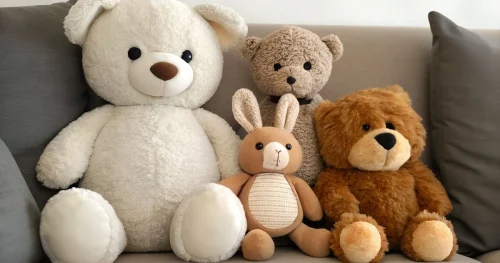
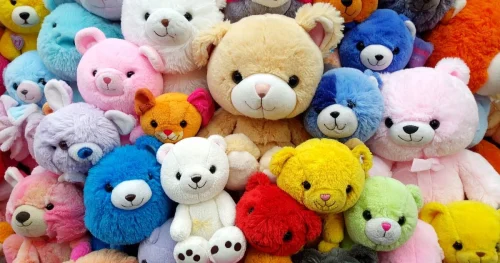
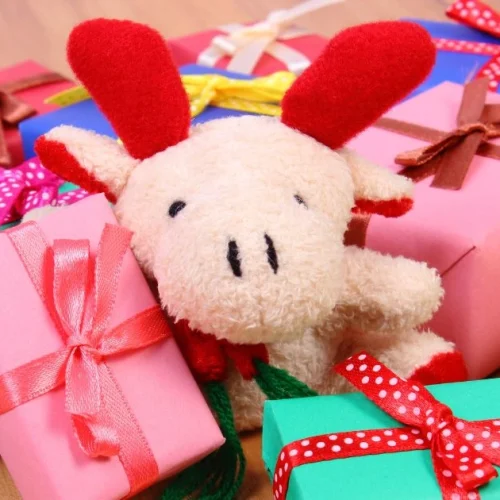
Soft, cuddly dolls are ideal for younger children. They provide comfort while introducing concepts of caregiving. Their lightweight and huggable design makes them easy to carry, hold, and embrace. Plush dolls often feature embroidery, making them safe for toddlers and infants. These dolls are perfect for early role-play, as children learn to gently care for a “baby.”
Realistic Baby Dolls
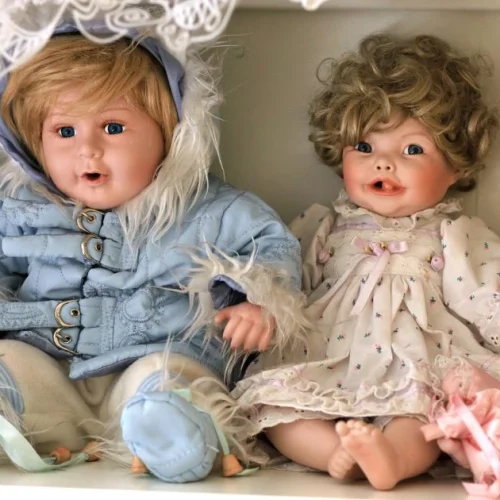
Realistic dolls are designed to closely resemble real infants, often featuring movable limbs, weighted bodies, and lifelike facial expressions. Brands like Baby Alive and Reborn Dolls offer models that replicate feeding, crying, and even wetting, providing an authentic caregiving experience. These dolls help children understand infant behavior and the responsibilities associated with daily childcare.
Interactive Dolls
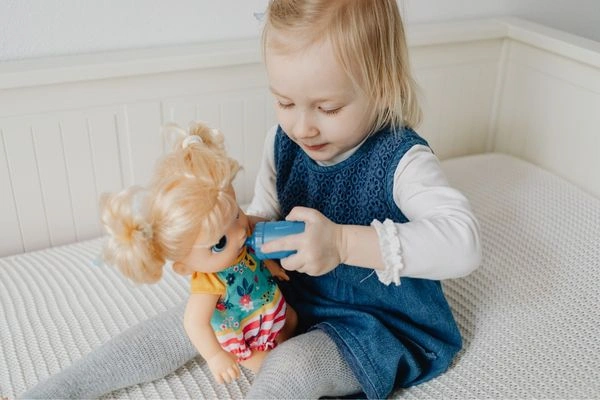
Interactive baby dolls respond to touch, sound, and movement. They can cry, giggle, speak simple phrases, or simulate eating and drinking. These dolls engage children in cause-and-effect learning and teach patience and problem-solving. For example, children learn that a doll needs attention, feeding, or comfort, reinforcing responsibility through playful interaction.
Educational Baby Dolls
Some dolls are specifically designed with educational objectives in mind. They can teach routines such as brushing teeth, changing diapers, or dressing. Dolls with included accessories, books, or apps provide structured learning experiences that combine caregiving with skill development. These toys help children practice sequencing, observation, and attention to detail in a fun and meaningful way.
Culturally Diverse Dolls
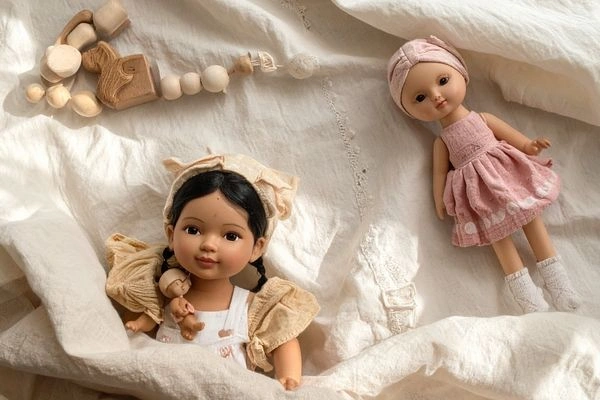
Dolls that reflect different cultures, skin tones, and features promote inclusivity and understanding. Exposure to diverse dolls encourages children to respect differences and develop empathy for others from a young age. These dolls also make it easier for children to see themselves in their play, enhancing connection and engagement.
Benefits of Baby Dolls
Baby dolls offer multiple developmental benefits that extend beyond simple play:
Teaching Care and Responsibility
Caring for a baby doll introduces children to the concept of responsibility in a safe and manageable way. Feeding, dressing, and nurturing a doll helps children learn routines, patience, and attentiveness. These skills translate into real-life caregiving abilities and promote self-discipline and empathy.
Promoting Emotional Intelligence
Role-playing with dolls helps children identify and understand emotions. Comforting a crying doll or helping a doll feel “better” teaches empathy and sensitivity to others’ feelings. Children learn to recognize facial expressions, respond appropriately, and develop social awareness in a nurturing context.
Encouraging Imagination and Storytelling
Baby dolls invite storytelling and imaginative play. Children create scenarios based on family life, school, or adventure, building cognitive skills and creative thinking. Narratives with dolls can range from everyday routines to fantastical stories, allowing children to experiment with problem-solving and character development.
Improving Fine Motor Skills
Manipulating clothing, bottles, or accessories enhances dexterity and hand-eye coordination. Dressing a doll, fastening snaps, or holding tiny utensils provides practice for skills needed in daily life, such as buttoning shirts or using utensils independently.
Teaching Routine and Organization
Daily play with dolls often mirrors real-life routines. Feeding, bathing, and bedtime sequences help children understand structure and the importance of consistency. These play routines lay the foundation for time management, planning, and organization.
Fostering Social and Cooperative Play
Dolls are ideal for cooperative play with siblings or friends. Shared caregiving experiences encourage communication, negotiation, and teamwork. Children practice social skills, problem-solving, and empathy while collaborating on storylines or play scenarios.
Choosing the Right Baby Doll
Selecting the right baby doll involves several key considerations:
Age Appropriateness
Toys should match a child’s developmental stage. Younger children benefit from soft, durable dolls with fewer small parts, while older children may enjoy realistic, interactive models that simulate infant care. Age-appropriate dolls ensure safe and engaging play.
Durability and Materials
High-quality materials are essential for longevity. Vinyl, silicone, and plush materials offer a balance of durability, texture, and safety. Washable fabrics and non-toxic finishes ensure play remains hygienic and safe for younger children.
Interactive Features
Dolls with interactive elements can increase engagement and educational value. Features such as feeding, speaking, or responding to touch teach cause-and-effect, responsibility, and nurturing skills while keeping play dynamic.
Accessories and Playsets
Accessories such as bottles, clothes, cribs, strollers, and diaper sets enhance the caregiving experience. Playsets allow children to simulate real-life routines, reinforcing learning and creating immersive, imaginative play opportunities.
Educational Value
Some dolls are designed with learning goals in mind, such as teaching routines, self-care, or emotional recognition. These dolls combine play with structured learning to maximize developmental benefits.
Creative Ways to Use Baby Dolls
Baby dolls offer a variety of play experiences that teach care and responsibility:
Daily Care Routines
Children can simulate feeding, diapering, and dressing a doll, developing patience and practical caregiving skills. Routine activities provide structure and reinforce the importance of attentiveness and empathy.
Storytelling Adventures
Children can create narratives involving their dolls, such as family meals, bedtime stories, or visits to a pretend doctor. Storytelling encourages cognitive development, sequencing skills, and creative thinking.
Role-Playing Different Scenarios
Dolls can be part of imaginative settings like schools, hospitals, or daycares. Role-playing helps children understand various social roles and responsibilities while fostering empathy for different experiences.
Cooperative Play with Friends
Playing with dolls together teaches collaboration, sharing, and negotiation. Children can alternate caregiving tasks, organize joint stories, and learn to work together toward common play goals.
Seasonal or Themed Play
Children can incorporate dolls into seasonal activities, such as celebrating birthdays, holidays, or vacations. Themed play introduces cultural awareness and allows children to explore traditions creatively.
DIY Customization
Encouraging children to make clothing, accessories, or even furniture for their dolls enhances creativity, craftsmanship, and problem-solving. DIY play adds a personal touch and strengthens attachment to the doll.
Popular Baby Doll Brands
Several brands are recognized for offering high-quality baby dolls that teach care and responsibility:
Baby Alive by Hasbro
Baby Alive dolls are interactive, responding to feeding and care routines with movement and sounds. They provide a realistic and educational caregiving experience that teaches nurturing and responsibility.
Corolle Dolls
Corolle offers soft, French-inspired dolls that are safe for toddlers and preschoolers. Their lifelike features, sweet scents, and gentle textures create a nurturing play experience for young children.
Adora Dolls
Adora produces realistic, huggable dolls that encourage nurturing play. Their dolls often come with themed outfits, accessories, and playsets designed to teach care and empathy.
Reborn Dolls
Reborn dolls are lifelike, weighted dolls that simulate real infants. They provide an authentic caregiving experience, ideal for older children interested in more advanced nurturing play or collectors looking for realistic dolls.
Manhattan Toy Company
This company offers soft, interactive, and educational dolls that encourage imaginative play, social-emotional learning, and nurturing skills. Their diverse offerings cater to children of different ages and play preferences.

Caring for Baby Dolls
Proper care ensures dolls remain in excellent condition for long-term play:
Regular Cleaning
Soft dolls should be surface-washed or machine-washed if permitted. Vinyl or silicone dolls can be wiped clean with mild soap and water. Proper cleaning prevents damage and maintains hygiene.
Safe Storage
Store dolls and accessories in labeled containers or on shelves to prevent loss and damage. Keeping play areas organized encourages responsibility and teaches children to care for their belongings.
Handling with Care
Teach children to handle dolls gently, especially lifelike models with delicate features. Avoid rough play that could damage limbs, hair, or clothing.
Accessory Maintenance
Keep bottles, pacifiers, and clothing clean and intact. Replacing worn accessories ensures continued engagement and preserves the doll’s play value.
Timeless Tools for Learning, Empathy, and Growth
Baby dolls have a profound impact on childhood development. They teach care, empathy, and responsibility while promoting creativity, problem-solving, and social skills. Children who regularly engage in nurturing play learn to understand routines, emotions, and others’ needs in a safe, structured environment.
Beyond practical skills, baby dolls provide emotional benefits. They offer comfort, companionship, and a sense of achievement as children care for their miniature charges. Dolls also encourage imaginative storytelling, allowing children to explore personal expression, creativity, and social understanding.
Baby dolls remain timeless tools for growth, learning, and fun. They combine joy, education, and emotional development in a single, interactive play experience. By introducing nurturing play early, children develop essential life skills while cultivating empathy, patience, and imagination that last a lifetime.
From soft plush dolls to interactive, realistic models, baby dolls offer a hands-on way for children to experience care, responsibility, and creativity. They are more than toys—they are opportunities to teach valuable life lessons through play.