Stuffed toys have been cherished companions for generations in childhood. From classic teddy bears tucked under pillows to whimsical plush characters lining shelves, these soft toys do more than provide comfort and joy. In the earliest years of life and into school age, stuffed toys play a meaningful role in emotional, cognitive, physical, social, and language development. As parents and caregivers seek well-rounded ways to support children’s growth, developmental experts, child psychologists, and educators continue to recognize plush toys as foundational tools for healthy learning and emotional well-being.
This article explores the latest insights and reviews on why stuffed toys matter for child development. It highlights key developmental areas supported by plush play, offers examples of trusted toy designs, and shares how caregivers can use stuffed toys to maximize benefit for every child.
7 Benefits Of Stuffed Toys For Kids’ Development
1. Emotional Development And Comfort

One of the most important roles of stuffed toys is the emotional comfort they provide. Psychologists describe stuffed toys as transitional objects that help children manage stress and navigate changes with confidence. These soft companions foster a sense of safety and security, supporting emotional regulation. For children experiencing new environments, such as starting daycare or moving to a new home, holding a familiar plush toy can reduce anxiety and make transitions less overwhelming. Research shows that children form attachment bonds with plush toys, which supports emotional stability and resilience.
Stuffed toys are especially valuable during stressful moments, such as bedtime, medical visits, separations from caregivers, or transitions between daily routines. The gentle feel and cozy comfort of a stuffed toy can help calm the body, allowing children to relax and comfort themselves without outside assistance. Some toys are specifically designed to support sleep and emotional comfort. A recent example gaining attention from families is the Riff Raff Baby plush companion, featuring gentle lullabies and soothing sounds to help infants settle more peacefully at night.
Emotional comfort through plush play sets the stage for children to feel secure as they explore their environments, form early attachments, and build independence.
2. Nurturing Language Skills And Communication
Stuffed toys are often children’s first “audience.” When young children engage in pretend conversations with their plush companions, they practice vocabulary, sentence structure, and expressive speech. Speaking to a cuddly toy allows children to experiment with words and sounds without fear of judgment, which encourages confidence with language and communication.
Role play with stuffed animals can also introduce narrative structures and storytelling. When children narrate adventures, explain scenarios, or assign dialogue to their plush friends, they build early literacy skills that support reading comprehension and expressive language. Educators note that recounting stories aloud to a stuffed toy or using plush characters in imaginative play sessions encourages children to expand vocabulary and expressive ability in a playful setting.
Parents and caregivers can join in by prompting children to describe the toy’s day, feelings, or actions, turning what seems like simple play into powerful language practice.
3. Cognitive Development Through Imagination
Imaginative play is a key contributor to cognitive development. Stuffed toys serve as versatile props in pretend worlds, allowing children to invent characters, scenarios, emotions, and settings. This type of play nurtures critical thinking, creativity, and problem-solving.
When a plush lion becomes the brave leader of an imaginary jungle or a teddy bear attends a pretend school, children stretch their minds beyond the here and now. Imaginary play fosters narrative thinking, symbolic reasoning, and mental flexibility, all of which are foundational for higher‑order cognitive skills later in life.
Moreover, plush toys with varied textures, colors, and accessories invite sensory exploration, enriching cognitive experiences. Learning through play becomes multi‑sensory, engaging memory, attention, pattern recognition, and symbolic thinking.
4. Social Skills And Empathy
Stuffed toys support social development by nurturing empathy, cooperative behaviors, and understanding of emotions. When children engage with plush toys in pretend caregiving roles, they practice gentleness, compassion, and perspective‑taking. Caring for a beloved stuffed animal can mirror real caregiving and help children internalize social values such as kindness, patience, and sharing.
Plush toys also support cooperation and negotiation when children play together in group settings. For example, two children sharing a favorite stuffed toy might take turns leading a story or assign roles for their characters. These interactions cultivate early social skills like turn‑taking, sharing, and conflict resolution.
Play settings that incorporate stuffed animals can also encourage social bonding with peers and caregivers. Cooperative imaginary play fosters teamwork and strengthens relationships through shared narrative experiences and emotional exchange.
5. Language And Communication
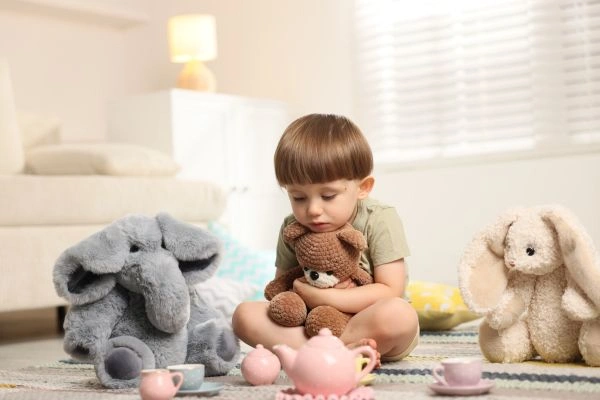
Talking to a stuffed toy is more than play. It supports active language practice and helps young children become comfortable using expressive language. When children converse with their plush toys, they practice word choice, intonation, sentence structure, and conversational flow.
Some plush toys are designed to bring language learning further through interactive features. Toys with letters, numbers, or sound cues can support language building by introducing vocabulary and basic literacy concepts. For younger kids, these toys help turn abstract ideas into tangible experiences, making them easier to grasp through touch and sound.
6. Physical Skills And Fine Motor Practice
It may not be obvious, but even careful play with stuffed toys supports physical development. Activities such as dressing the toy, fastening accessories, moving limbs, or carrying the plush around encourage fine motor practice, hand strength, and coordination.
In some interactive plush designs, buttons, zippers, and small components provide opportunities for children to improve dexterity and hand‑eye coordination while handling and engage with features. These textures and details offer sensory input and enhance motor skill development over time.
Gross motor skills can also benefit when plush toys are part of larger play routines. For example, hiding toys to create a seek‑and‑find game encourages movement and spatial awareness.
7. Comfort In Transitions And Sleep
Stuffed toys serve as emotional anchors that help children navigate challenging situations and transitions. A favorite plush companion can ease separation anxiety when parents leave for work or when children enter social settings without familiar adults. Studies show that comfort objects, such as plush toys, can reduce anxiety and promote emotional regulation in unfamiliar environments.
At bedtime, stuffed toys often serve as soothing bedtime buddies. Their presence can help establish calming routines, reduce nighttime fears, and create consistency that makes bedtime easier. Products designed with additional soothing features, such as heartbeat simulation and gentle lullabies, like the Riff Raff Baby plush companion, showcase how emotional comfort and sleep support can be integrated into thoughtful toy design.
Recommended Plush Toys And Brands
Choosing the right stuffed toy can enhance children’s development and foster meaningful connections. The following products are well‑regarded for quality, comfort, and developmental support.
1. Melissa & Doug Burrow Bunny Rabbit Stuffed Animal: A classic, soft bunny plush that is ideal for imaginative play and emotional comfort. Its huggable size and smooth texture make it a favorite for daily companionship.
2. Retailmnl Little Animal Pals Interactive Animal Plush Toy: An affordable interactive plush toy geared toward early learning adventures. Its engaging design is perfect for encouraging early language and sensory play.
3. ToysWorld Little Animal Pals Interactive Fox Plush Toy: A sound‑enabled plush that supports communication and exploration. The interactive features enhance engagement while promoting fine motor skills.
4. On The Farm Plush Toy: A farm‑themed plush that encourages storytelling and imaginative play. Ideal for group play and narrative development.
5. Plushie Dreadfuls Autism Spectrum Rabbit Pink Edition: A plush toy that can be particularly comforting for children with sensory preferences. Soft textures and positive design support emotional well-being.
6. Mamas & Papas Welcome to the World Duckling Tummy Time Duck: A unique plush companion designed for tummy time and sensory exploration, offering physical and emotional development benefits from infancy onward.
Safety And Responsible Play
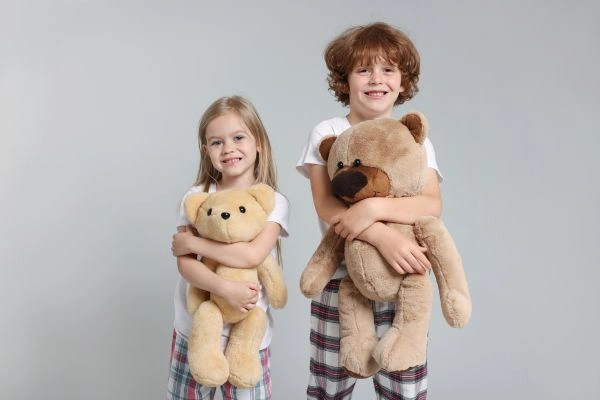
While plush toys are generally safe, parents and caregivers should always check safety labels and age recommendations. Steer clear of small components that might present a choking risk to very young children. Stuffed toys should be made of child‑safe materials that are washable, durable, and free from harmful chemicals. Regular cleaning and inspection ensure the toy remains in good condition for ongoing play and support.
Experts also recommend balancing toy play with real‑world social interactions. Recent warnings about certain AI‑enabled toys emphasize that interactive technology is no substitute for human connection and traditional play experiences that foster genuine emotional growth and secure attachment.
Stuffed Toys In The Digital Age
In a world where digital entertainment and smart toys are rapidly evolving, plush toys remain timeless. While some interactive toys may introduce engaging features, developmental specialists caution that AI‑enabled toys designed to respond and interact can carry privacy risks and may not always promote healthy emotional development. For children under 5 in particular, experts advise that traditional, non‑digital toys remain the best option for fostering secure attachment and creativity.
Stuffed toys provide what no screen can replace: emotional connection, tactile comfort, and space for imagination. In many homes, plush companions remain beloved sources of stability, emotional expression, and joyful play.
Stuffed Toys That Nurture Emotion, Imagination, And Skills
Stuffed toys matter in childhood development because they support emotional well-being, language and communication skills, cognitive growth, social and empathy development, physical coordination, and comfort in times of stress and change. The simple act of hugging a plush friend can have profound developmental benefits that resonate into later childhood and beyond.
As families continue to seek meaningful developmental tools for their children, stuffed toys remain reliable, versatile, and deeply impactful. Whether chosen for emotional comfort, imaginative play, language practice, or sensory exploration, the right stuffed toy can be more than a toy. It can become a trusted companion in a child’s journey of growth and discovery.