Toys are meant to bring joy, spark imagination, and support learning. From plush animals and building blocks to scooters and science kits, toys shape a large part of childhood. But behind the bright colors and playful packaging, toy safety is something every parent needs to take seriously. Each year, thousands of children are injured because of unsafe toys, broken parts, or toys that were not right for their age or developmental stage.
Toy safety does not mean turning playtime into a rulebook. It means creating an environment where kids can explore, build, pretend, and move with confidence. With the right knowledge and a few smart habits, parents can significantly reduce risks while still allowing children the freedom to play, imagine, and grow.
This guide covers practical toy safety tips every parent needs, from choosing age-appropriate toys and spotting hidden hazards to maintaining toys properly and teaching kids how to play safely.
Why Toy Safety Matters More Than Ever
Modern toys are more advanced than ever. Many now include electronics, magnets, batteries, cords, projectiles, and complex parts. While innovation has made toys more exciting, it has also introduced new risks. Choking hazards, toxic materials, sharp edges, and overheating components are all issues parents should be aware of.
Toy safety is not only about preventing major accidents. It is also about protecting long-term development. Toys that are unsafe or poorly designed can cause repeated minor injuries, frustration, or exposure to harmful materials. Safe toys, on the other hand, build confidence, support learning, and create positive play experiences.
When parents make safety part of the toy conversation, play becomes more joyful and less stressful for everyone involved.
Choosing Age-Appropriate Toys
One of the most important toy safety rules is following age recommendations. These guidelines are not only about skill level. They are also about physical safety.
Understanding Age Labels
Toy packaging includes age ranges based on factors like:
-
Choking hazards
-
Motor skill requirements
-
Strength needed to use the toy
-
Cognitive complexity
-
Presence of small parts, cords, or sharp edges
A toy labeled for ages eight and up is not simply “more challenging.” It may include parts that are dangerous for younger children. Even if a younger child seems advanced, safety risks remain.
Matching Toys to Development, Not Just Age
Children develop at different speeds. Some may still mouth objects at three, while others outgrow that stage earlier. Some may be cautious climbers, while others are fearless explorers.
When choosing toys, consider:
-
Whether the child still puts objects in their mouth
-
Their coordination and balance
-
Their attention span
-
Their emotional maturity
A toy that is technically age-appropriate may still be unsafe if it does not match a child’s actual behaviors.
Checking for Choking and Suffocation Hazards
Choking remains one of the most serious toy-related risks, especially for babies and toddlers.
The Small Parts Rule
Any toy part that can fit through a toilet paper roll or a small-parts tester is a choking hazard. This includes:
-
Detachable eyes or buttons
-
Small balls and marbles
-
Mini accessories
-
Broken toy fragments
-
Loose batteries
Always inspect toys before giving them to young children, and continue checking regularly as toys wear down.
Balloons and Soft Plastics
Uninflated balloons and broken balloon pieces are extremely dangerous. They can easily block airways and are difficult to remove. Soft plastic packaging, toy bags, and wrap materials also pose suffocation risks and should be discarded immediately.
Watching Out for Battery and Magnet Dangers
Modern toys often include button batteries and magnets, which require extra caution.
Button Batteries
Button batteries are especially hazardous if swallowed. They can cause severe internal burns in a short time.
To reduce risk:
-
Choose toys with secured battery compartments
-
Check that the screws are intact
-
Store spare batteries locked away
-
Dispose of used batteries properly
If ingestion is suspected, emergency care is critical.
High-Powered Magnets
Some toys include strong magnets that can attract through tissue if swallowed, causing life-threatening injuries.
Avoid toys with loose magnets, and regularly inspect magnetic building sets for cracks or weak spots.
Inspecting Toys for Quality and Construction
Not all toys are created equal. A well-made toy is not just nicer to look at. It is safer.
What to Look For
Before buying or handing down a toy, check for:
-
Smooth edges
-
Secure stitching
-
Strong seams
-
Non-toxic labeling
-
Solid construction
-
No exposed wires or sharp points
Pull gently on parts like wheels, buttons, and eyes. If they loosen easily, they can come off during play.
Be Cautious with Hand-Me-Downs
Older toys may not meet current safety standards. Paint may contain lead, parts may be weaker, and designs may not reflect updated safety research.
When using secondhand toys:
-
Check recall lists
-
Look for wear, rust, or damage
-
Remove toys with cords longer than recommended
-
Avoid toys with peeling paint
Outdoor Toy Safety Essentials
Outdoor toys encourage physical activity, coordination, and confidence. They also require thoughtful safety practices.
Helmets and Protective Gear
Bikes, scooters, skates, and hoverboards should always be paired with proper safety gear.
This includes:
-
Helmets
-
Knee pads
-
Elbow pads
-
Wrist guards
Helmets should fit properly, sit level on the head, and be fastened securely.
Trampolines, Slides, and Playsets
Backyard equipment should be installed on flat ground with soft surfaces such as rubber mats, mulch, or grass.
Parents should:
-
Anchor playsets securely
-
Inspect bolts and joints regularly
-
Remove damaged equipment
-
Supervise active play
Clear rules about safe jumping, climbing, and turns can prevent many common injuries.
Safe Toy Storage Makes a Big Difference
Toy safety does not end when playtime is over.
Preventing Falls and Injuries
Toy clutter leads to slips, trips, and falls. Large bins without lids, labeled shelves, and easy-to-reach storage help children clean up and reduce accidents.
Heavy toys should always be stored on lower shelves. Toy chests should have lightweight lids or safety hinges.
Separating Toys by Age
If there are multiple children in the home, store small-part toys separately. Older siblings’ toys can easily become hazards for younger ones.
Creating zones for different age groups protects everyone and teaches kids responsibility.
Teaching Children How to Play Safely
Safety improves dramatically when children understand it.
Making Safety Part of Play
Instead of constant warnings, try:
-
Demonstrating proper use
-
Explaining why certain rules exist
-
Praising safe choices
-
Setting simple boundaries
Children who understand safety reasons are more likely to follow guidelines.
Encouraging Honest Communication
Kids should feel comfortable saying when something feels broken, uncomfortable, or scary. When children trust that concerns are taken seriously, hazards are identified faster.
Regular Toy Inspections Are Essential
Toys change over time. Even the safest toy can become unsafe if it breaks.
Monthly Toy Check Routine
Set aside time to:
-
Look for cracks or sharp edges
-
Test battery compartments
-
Wash plush toys and sensory items
-
Discard broken toys
-
Tighten screws
This habit prevents small issues from becoming dangerous problems.
Understanding Toy Recalls and Safety Labels
Toy recalls happen more often than many parents realize.
Staying Informed
Parents can stay updated by:
-
Registering new toys online
-
Following consumer safety websites
-
Checking recall announcements
-
Keeping product packaging
If a recall occurs, stop using the toy immediately and follow return or disposal instructions.
Reading Labels Carefully
Look for:
-
Age recommendations
-
Safety certifications
-
Material disclosures
-
Washing instructions
-
Battery warnings
Labels offer valuable safety insight when used correctly.
Water and Bath Toy Safety
Bath toys seem harmless, but can carry hidden risks.
Mold and Bacteria
Squeeze toys and hollow figures can trap water inside, leading to mold growth. Regular cleaning and replacing worn bath toys is essential.
Water Supervision
No toy replaces supervision in water. Even shallow water play requires constant attention.
Seasonal Toy Safety Tips
Different seasons introduce different risks.
Holiday and Birthday Overload
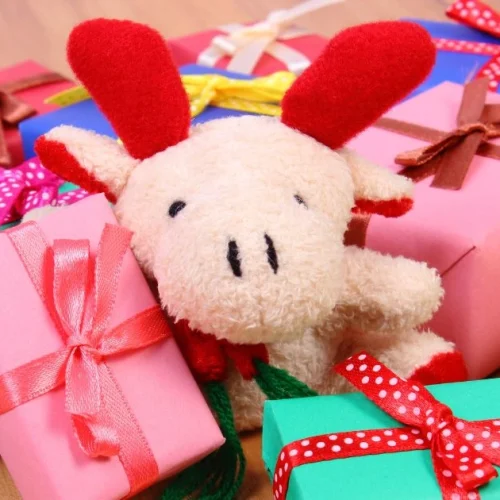
Large gift days mean many new toys at once. Open toys gradually and inspect each one. Remove packaging, twist ties, and plastic immediately.
Summer and Outdoor Toys
Heat can damage plastics, increase hazards, and weaken materials. Store toys out of direct sunlight and inspect them frequently.

Winter and Indoor Play
Ride-on toys, tents, and climbing toys need space. Clear safe play areas help prevent collisions and falls.
Creating a Toy-Safe Home Environment
Toy safety works best when supported by a safe space.
-
Use outlet covers
-
Secure furniture
-
Anchor shelves
-
Pad sharp corners
-
Block stairways
-
Keep cords out of reach
Toys are safer when the environment is designed for play.
The Emotional Side of Toy Safety
Safety is not only physical. Emotional safety matters too.
Avoid toys that:
-
Promote harmful behaviors
-
Encourage fear without support
-
Include inappropriate themes
-
Cause repeated frustration
Healthy toys build confidence, creativity, and positive social skills.
Creating a Safer World of Play
Toy safety is not about limiting fun. It is about protecting the magic of play. When parents take time to choose wisely, inspect regularly, teach gently, and stay informed, toys become what they were meant to be: tools for joy, imagination, growth, and connection.
The safest homes are not those without risks. They are homes where risks are understood, managed, and balanced with freedom. With smart habits and informed choices, parents can create play spaces where curiosity thrives, and children explore confidently.
Because the best toy in the world is only truly great when it is also safe.