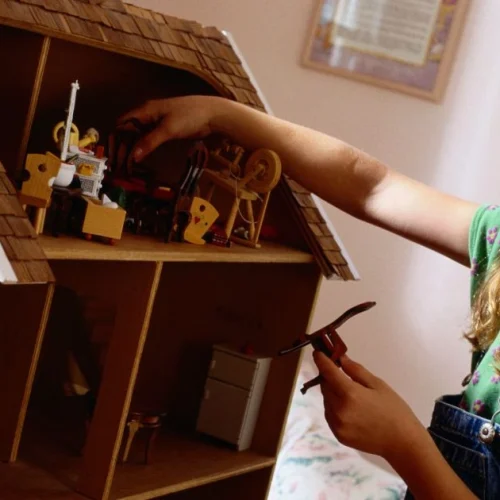
Dollhouses are timeless play companions that offer children more than just fun. They provide opportunities for imaginative storytelling, social skills development, emotional expression, and sensory engagement. For children with special needs, well‑chosen dollhouses for children with special needs can become powerful tools for play that foster communication, motor skills, sensory integration, and emotional regulation. Whether a child has autism spectrum disorder, ADHD, sensory processing differences, or developmental delays, accessible, thoughtfully designed dollhouses help bridge play and learning.
As caregivers and educators become more aware of the benefits of inclusive play, sensory‑friendly and adaptive toy options are becoming more prominent. Many top dollhouse models now factor in easy access, durability, tactile engagement, simplified play features, and space for personalization. These features make play more enjoyable for children who may feel overwhelmed by complex toys or sensitive to small parts and overly intricate designs. According to play therapy experts, imaginative play—including dollhouse scenarios—helps children process experiences, express emotions, and build narrative language skills. Dollhouses allow kids to act out scenarios that mirror real life or reflect their unique inner worlds, which can be especially meaningful for children with special needs.
This guide highlights 10 dollhouses for children with special needs, complete with recommended products, key features that support inclusive play, and thoughtful context on how these toys can help a range of developmental goals.
What Makes A Dollhouse Special‑Needs Friendly
Some features make certain dollhouses especially useful for children with special needs. Look for:
Open Access And Visibility
Dollhouses with open walls or 360‑degree views let children reach in and see inside every room easily. This is helpful for children with fine motor challenges or limited reach.
Large Rooms And Pieces
Oversized play areas and large accessories reduce frustration for children who struggle with tiny parts or precision.
Durable And Sensory‑Friendly Materials
Toys made from wood, smooth plastics, or fabrics with safe finishes provide tactile comfort and reduce sensory overload. Sustainable or eco‑friendly materials also appeal to families who prioritize safety and sustainability.
Customizable And Open‑Ended Play
Simple interiors and movable parts encourage free play, storytelling, and cooperation without overwhelming structure.
Calming And Inclusive Design
Neutral colors and gender‑neutral designs help children focus on play rather than visual distraction. Many dollhouses also allow children to decorate and personalize their world.
10 Dollhouses For Children With Special Needs
1. Delta Children Moveable Mansion Dollhouse
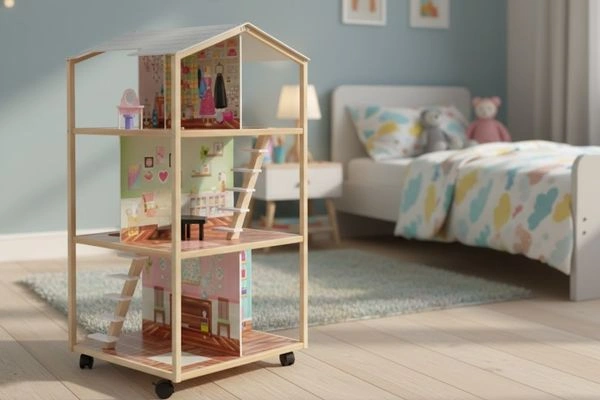
The Delta Children Moveable Mansion Dollhouse stands out for its 360‑degree play design and sturdy base with wheels. This design is ideal for children with mobility challenges or those who enjoy moving toys across a room rather than lifting them. The open layout helps children with vision or motor limitations explore every room without struggling with small openings.
Developmental Benefits
This dollhouse promotes imaginative storytelling, spatial reasoning, and social interaction. The ease of access makes it particularly suitable for children who might otherwise feel frustrated when reaching into the narrow spaces of traditional dollhouses.
2. Multilevel Wooden Dollhouse Play Set For Kids & Toddlers
This multilevel wooden model brings simplicity and structure together. It offers spacious floor plans, minimal furniture, and a straightforward, open design that helps reduce cognitive overload and supports sustained engagement.
Why It Works For Children With Special Needs
Wooden construction provides tactile comfort and stability, while the open layout supports easy access and manipulation. This dollhouse works well for parallel play, storytelling, and group interaction.
3. Grimm’s Pink Mobile Home
The Grimm’s Pink Mobile Home is both beautiful and functional. Its design includes a simple, approachable layout that invites children to play freely and expressively. Many reviews praise its calming color palette and sensory appeal, with smooth wood and safe finishes that feel good to touch.
Inclusive Play Benefits
This dollhouse encourages fine motor practice without overwhelming complexity. The accessible design supports children who may be sensitive to noise or bright colors, providing a gentle play environment that invites imaginative narratives.
4. Eco House Wooden Dollhouse with Handle & Accessories
This eco‑friendly wooden dollhouse features a lightweight design with a convenient handle for transport and play on the go. Accessories are simple and durable, and the house encourages open‑ended play.
Why It Is Special‑Needs Friendly
The lightweight and portable design supports transitions between spaces, which can be helpful for children who feel overwhelmed by being in one place for too long. Toddler‑friendly heights and large furniture pieces reduce frustration and make play accessible for a wide range of abilities.
5. You And Me Happy Together Dollhouse
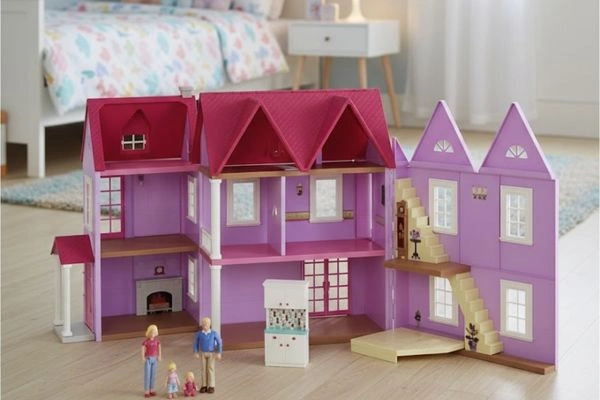
The You and Me Happy Together Dollhouse is a mid‑sized wooden model with smooth edges and spacious rooms. It uses neutral tones and thoughtful design to appeal to a broad audience.
Developmental Strengths
This dollhouse supports narrative play and emotional expression. Children can set up simple scenes and act out social scenarios, which promotes language, social communication, and emotional understanding. Its size is manageable for both floor play and table play.
6. Pillowhale Large Wooden Dollhouse
This large three‑story wooden dollhouse includes multiple rooms and 38 pieces of furniture and accessories. The generous set offers children many options for crafting detailed play scenarios.
Why It Works For Special Needs
The larger scale supports children with fine motor challenges by reducing the need for small, fiddly pieces. The multiple rooms also support complex storytelling, cooperative play, and parallel play with siblings or peers.
7. Hape All Seasons Dollhouse
One consistently rated option across expert reviews is the Hape All Seasons Dollhouse, known for its solid wood design and six spacious rooms. With its open layout, children of different abilities can reach and play comfortably in every space. The house uses interactive elements such as seasonal roof pieces to invite imaginative storytelling.
Inclusive Play Features
This dollhouse’s versatility supports sensory play, cooperative interaction, and narrative building. Children can create seasonal scenarios or rotate furniture to explore cause-and-effect.
8. PlanToys Modern Dollhouse
The PlanToys Modern Dollhouse offers a contemporary aesthetic with eco‑friendly materials free of harmful chemicals. The neutral design and minimal furniture pieces allow children to focus on open‑ended play rather than fixed narratives.
Benefits For Communication And Social Skills
By encouraging children to populate rooms with narratives of their own choice, this toy supports language development, turn-taking, and social communication. The sustainability aspect also teaches children about environmental care.
9. Melissa & Doug Take‑Along Wooden Doorbell Dollhouse
This interactive wooden dollhouse stands out for its doorbell features and opening doors that invite simple cause-and-effect exploration. It also includes poseable dolls, which is rare in more minimalist designs.
Why It Helps Children With Special Needs
Interactive elements like doorbells provide audio feedback and reinforce action‑reaction patterns, which support communication cues and help children understand sequence and intention during play. Role play with dolls and doors also builds empathy and narrative development.
10. Le Toy Van Wooden Sky Doll House
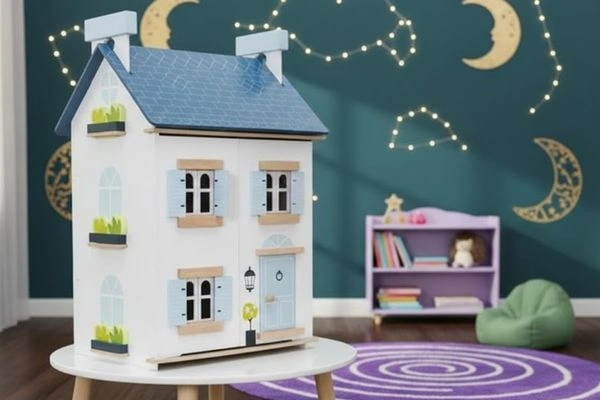
The Le Toy Van Wooden Sky Doll House offers a compact two‑story design with enough room for small groups to play together. The neutral aesthetic invites personalization without overwhelming sensory input.
Developmental Value
This dollhouse supports spatial awareness, social interaction, and imaginative storytelling. The two stories allow children to create layered narratives and engage in parallel play.
How Dollhouses Support Children With Special Needs
Dollhouses do more than entertain. Play specialists and child psychologists note that role play and pretend scenarios help develop skills that extend into everyday life. Here are some key developmental benefits:
Language And Communication Skills
Acting out social scenarios with dolls gives children opportunities to practice vocabulary, narrative language, sequencing events, and conversational turns. This is particularly helpful for children who are learning to express emotions or build conversational patterns.
Social And Emotional Development
Dollhouse play invites children to explore relationships, family dynamics, and routines that mirror real life. This helps children develop empathy, understand emotions, and process feelings safely through play.
Fine Motor Skills And Coordination
Manipulating dolls, moving furniture, and interacting with small features help children strengthen grasp, hand‑eye coordination, and motor planning.
Sensory Engagement And Regulation
Open‑ended play with tactile materials such as wood, fabric, and smooth plastics supports sensory integration. Children with sensory processing differences often benefit from toys that feel good to the touch and allow them to control the pace of play. Many sensory-friendly environments, including sensory‑inclusive programs at theaters and learning spaces, now feature adaptive play toys to welcome children with autism and sensitivities.
Narrative Building And Cognitive Skills
Children who play with dollhouses plan scenes, solve social dilemmas, and adjust stories based on changing situations. These activities build cognitive skills such as sequencing, memory, problem-solving, and creative thinking.
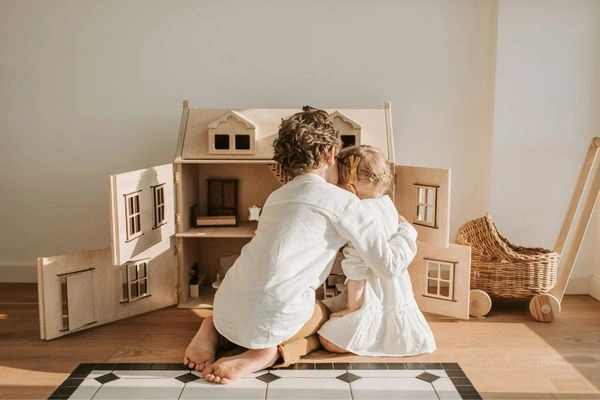
Tips For Selecting And Using Dollhouses For Special Needs
When choosing a dollhouse for a child with special needs, keep these tips in mind:
Match Size To Ability
Larger, open‑faced houses with big rooms and accessible accessories help reduce frustration and make play more accessible to children with fine-motor or sensory challenges.
Look For Durable Materials
Wooden models and high‑quality plastics provide tactile comfort and durability. Sustainable and non‑toxic materials also ensure safety during long play sessions.
Encourage Guided Play
Caregiver involvement, whether through narration, role play setup, or questions about the scene, enriches play and supports communication development.
Incorporate Multi‑Sensory Elements
Textured surfaces, soft fabrics, and varied materials invite children to explore more deeply and can calm sensory sensitivities.
Personalize The Experience
Adding familiar figures, family characters, or themed accessories helps children connect play to their real lives and personal interests.
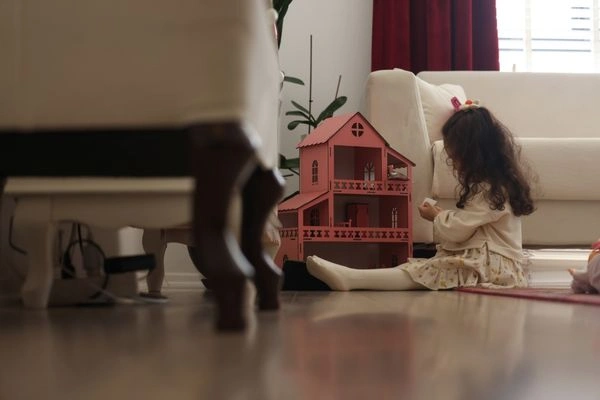
Dollhouses That Boost Development And Imagination
Dollhouses remain among the most effective and enriching toys for children with special needs. They offer a platform for expressive language, social interaction, emotional development, fine motor practice, and sensory engagement. From open‑access wooden models to adaptive playhouses with interactive elements, the options highlighted above support inclusive, imaginative play for children of diverse abilities.
Selecting a high‑quality dollhouse that aligns with a child’s sensory preferences, play style, and developmental needs can offer endless opportunities for joyful learning. These toys turn playtime into a narrative journey, help build essential life skills, and allow children to create worlds with meaning, empathy, and confidence.