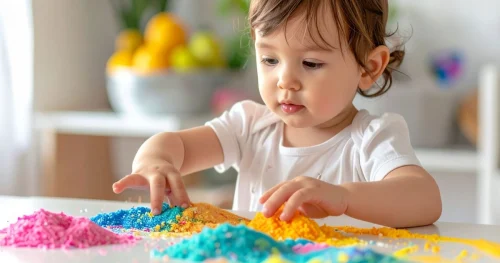
Creative art kits for kids bring a sense of wonder to a world filled with screens, notifications, and instant entertainment. Opening a box often reveals an explosion of color, with fuzzy pipe cleaners scattered across surfaces, glitter catching the light, and a child fully absorbed in creating something that did not exist moments earlier. Experiences like these highlight the lasting value of creative play.
Creative art kits go beyond simple entertainment. They support the exploration of ideas, encourage emotional expression, and help build confidence through hands-on creation. Whether the kit includes paints, beads, clay, or a complete craft set, these tools provide opportunities for imagination while offering practical ways to transform ideas into finished projects.
This guide explores what creative art kits are, why they play an important role in childhood development, the different types available, how to select the most suitable option, and how a basic kit can be elevated into a meaningful creative experience.
What Are Creative Art Kits for Kids?
Creative art kits for kids are packaged sets that include art or craft materials along with instructions or project ideas. They can be simple, like a coloring kit with markers and themed pages. They can also be more complex, like pottery sets, jewelry-making kits, painting studios, sewing kits, or mixed-media craft boxes.
Most kits are designed around a specific activity, skill, or theme. Some focus on classic arts like drawing and painting. Others lean into crafts such as slime making, paper art, wood projects, or fabric design. Many modern kits also blend creativity with learning, incorporating science, storytelling, or cultural exploration.
What makes art kits especially appealing is that they remove the guesswork. Everything a child needs is usually inside the box. That means less prep for adults and more instant excitement for kids.
Why Creative Art Kits Matter More Than Ever
Art has always been part of childhood, but today it plays an even more important role. Kids are growing up in a fast-paced digital world where entertainment is often passive. Creative art kits flip that script. They invite kids to slow down, focus, and actively create.
Here are some of the biggest benefits of creative art kits for kids.
They Build Creativity and Imagination
Color mixing, clay shaping, and character design all encourage original thinking. Art does not rely on a single correct answer, allowing freedom to experiment, take creative risks, and develop trust in personal ideas. Over time, this creative confidence often extends into academic settings, social interactions, and problem-solving skills. Color mixing, clay shaping, and character design all encourage original thinking. Art does not rely on a single correct answer, allowing freedom to experiment, take creative risks, and develop trust in personal ideas. Over time, this creative confidence often extends into academic settings, social interactions, and problem-solving skills.
They Support Emotional Expression
Children do not always have the words to explain how they feel. Art gives them another language. Through drawing, painting, and crafting, kids can express happiness, frustration, excitement, or worry in ways that feel safe and natural. Many parents are surprised by how much they learn about their child just by sitting beside them during an art activity.
They Improve Fine Motor Skills
Holding a paintbrush, threading beads, cutting paper, or shaping clay all strengthen small hand muscles and coordination. These fine motor skills are essential for writing, buttoning clothes, tying shoes, and many daily tasks. Art kits make this kind of practice fun instead of forced.
They Encourage Focus and Patience
Creative projects take time. A bracelet does not string itself. A painting does not finish in one swipe. Art kits gently teach kids how to follow steps, stay with a task, and work through mistakes. Those are life skills disguised as fun.
They Boost Confidence
Completing a creative project often creates a strong sense of accomplishment. Creative art kits provide tangible evidence of developing abilities, while displaying artwork at home or presenting it as a gift helps reinforce pride and self-worth.
Popular Types of Creative Art Kits for Kids
Not all art kits are the same, and that is part of the fun. The variety means there is something for every personality, age, and interest.
Drawing and Coloring Kits
These are often a child’s first introduction to art kits. They may include crayons, markers, colored pencils, sketch pads, stencils, and themed coloring books. Some kits focus on learning to draw animals, cartoons, or nature scenes.
These are great for younger children and beginners because they are easy to use, low-mess, and instantly rewarding.
Painting Kits
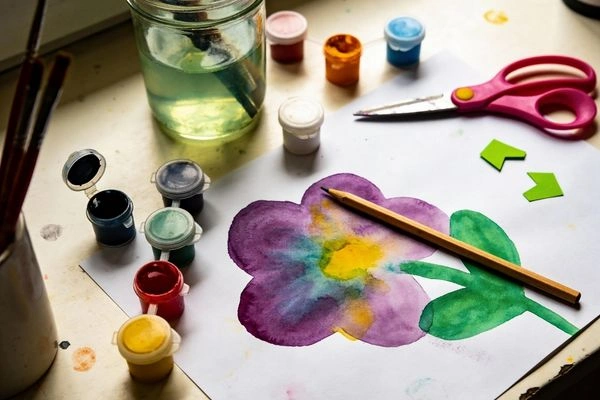
Painting kits often include watercolours, acrylic paints, paintbrushes, palettes, and canvases or paper. Some kits guide kids through specific projects, like painting a unicorn or a galaxy. Others are open-ended and encourage free painting.
Painting is especially helpful for sensory exploration and emotional expression. It also teaches color mixing, layering, and visual planning.
Craft and Mixed Media Kits
These kits are the treasure chests of the art world. They might include foam shapes, felt, stickers, beads, pom poms, pipe cleaners, glue, and sequins. The projects range from making masks and puppets to building collages and decorations.
Craft kits are ideal for kids who love variety and hands-on building. They encourage storytelling, pretend play, and imaginative design.
Jewelry and Bead Kits
Jewelry-making kits usually feature beads, charms, elastic cords, clasps, and sometimes tools. Kids can design bracelets, necklaces, keychains, and gifts for friends or family.
These kits are fantastic for fine motor development and pattern recognition. They also tap into kids’ love of personalization and gifting.
Clay and Modeling Kits
Clay kits may include air-dry clay, modeling dough, sculpting tools, and project guides. Some focus on making animals or figures, while others encourage free sculpting.
Clay work strengthens hand muscles and offers a deeply calming sensory experience. Many kids find molding clay soothing and satisfying.
STEM Inspired Art Kits
These kits blend creativity with science and engineering. Think crystal growing with artistic displays, light up art boards, paper circuits, or build and paint kits.
They appeal to kids who enjoy experimenting and figuring out how things work while still expressing creativity.
Sewing and Textile Kits
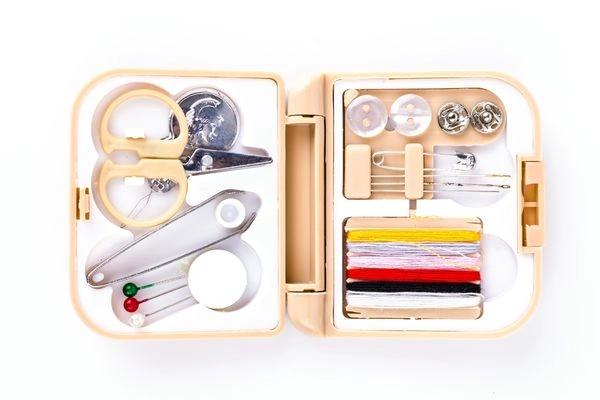
For older kids, sewing kits, weaving looms, and fabric crafts introduce basic textile skills. Projects might include plush toys, mini pillows, or decorated tote bags.
These kits teach patience, sequencing, and practical skills while producing something useful and personal.
How to Choose the Right Creative Art Kit
With a wide range of options available, selecting the right kit can feel overwhelming. A few thoughtful considerations make the process much easier.
Consider the Child’s Age and Skill Level
Most kits list age recommendations, and those are worth paying attention to. Younger kids benefit from large pieces, washable materials, and simple instructions. Older kids can handle more detailed projects, tools, and multi-step designs.
Choosing a kit that matches a child’s abilities helps prevent frustration and keeps the experience enjoyable.
Think About Interests
Does the child love animals, space, fashion, or building things? Art kits that align with personal interests instantly feel more exciting. A dinosaur-loving kid will light up over a fossil art kit. A fashion fan may adore a design studio box.
Look for Quality and Safety
Non-toxic materials, sturdy tools, and clear instructions are essential. Reputable brands often test their products and clearly label ingredients. It is also helpful to check whether paints are washable and whether the kit includes everything needed to complete the projects.
Decide Between Guided and Open-Ended
Some kids thrive with step-by-step instructions. Others prefer total freedom. Guided kits are great for building skills and confidence. Open-ended kits are perfect for imagination and experimentation. Many families enjoy having a mix of both.
How Parents Can Make Art Kits Even More Meaningful
A creative art kit can absolutely stand on its own, but a little adult involvement can turn it into something even more special.
Create a Welcoming Art Space
It does not have to be fancy. A corner of the table, a washable mat, and a box to store supplies are enough. When kids know they have a dedicated place to create, they are more likely to return to it.
Let Kids Lead
There is often a tendency to correct, guide, or refine a child’s project, but allowing creative independence is more beneficial. Open-ended questions such as “Tell me about what you’re making” or “What inspired those color choices” encourage expression while showing interest without taking control.
Celebrate the Process, Not Just the Result
Emphasis on effort, creativity, and enjoyment rather than perfection helps support positive creative development. Supportive comments such as “That level of focus was impressive” or “So many ideas were explored” help reinforce healthy creative habits.
Display Their Work
Hanging artwork on the fridge, a wall, or a special board sends a powerful message. It tells kids their creations matter. Rotating displays keeps things fresh and exciting.
Use Art as a Connection Tool
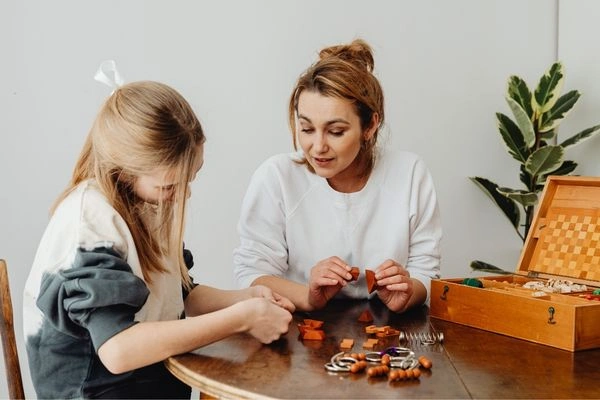
Art time can be quiet time, silly time, or conversation time. Some kids open up most easily when their hands are busy. Sitting together with an art kit can become a simple but meaningful family ritual.
Creative Art Kits as Gifts and Learning Tools
Creative art kits make standout gifts because they offer more than a moment of excitement. They offer experiences. They can be perfect for birthdays, holidays, rainy days, or reward moments. Teachers and homeschoolers also use art kits to support lessons in history, science, and language through creative projects.
A kit about ancient pottery can complement history. A nature art set can support science lessons. Story-based craft kits can boost literacy. Art fits beautifully into almost any learning environment.
Long-Term Impact of Early Creative Experiences
Children who grow up with regular access to creative activities often carry those benefits into adulthood. They tend to be more comfortable with self-expression, more adaptable when solving problems, and more confident sharing ideas.
Even kids who never become artists benefit from early creative play. The skills learned through art, such as observation, persistence, empathy, and imagination, are useful everywhere.
Creative art kits are small invitations into that world. They say, “Here are some tools. What will you make?”
Creating Memories, One Project at a Time
Creative art kits for kids are not just products. They are experiences waiting to happen. They hold the potential for quiet afternoons, colorful messes, proud smiles, and surprising conversations. They permit children to explore who they are and what they can create.
In a time when everything moves fast, art invites kids to slow down, look closer, and build something meaningful from scratch. Whether it is a crooked clay cat, a wildly colorful painting, or a bracelet made for someone special, each creation carries something important. It carries imagination, effort, and a piece of the child who made it.
And if that includes a little glitter in the carpet, it still feels like a pretty good trade.