Finding the right indoor toys for young children can shape their development and enrich their playtime in meaningful ways. Children aged 3 to 6 are at a stage where curiosity drives every new activity. They are refining motor skills, building language and social abilities, testing creativity, and exploring logic and problem-solving. Indoor play areas offer a secure setting for children to explore, imagine, and grow. The right toys help them stay active, engaged, and learning, even when outdoor play is limited by weather or other factors.
This guide presents 25 indoor toys for kids aged 3 to 6 that inspire imagination, encourage skill development, and promote joyful play. The selections include creative play sets, educational games, building and construction toys, indoor physical movement activities, and classic play favorites that remain popular in 2026. By focusing on screen-free, developmentally supportive toys, caregivers can help children grow while reducing unnecessary exposure to technology. Experts warn against placing too much reliance on AI-enabled interactive toys for very young kids, citing developmental, social, and privacy concerns. Traditional toys that promote imagination, social interaction, and hands-on skills remain the best choice for children under five.
Building And Construction Sets
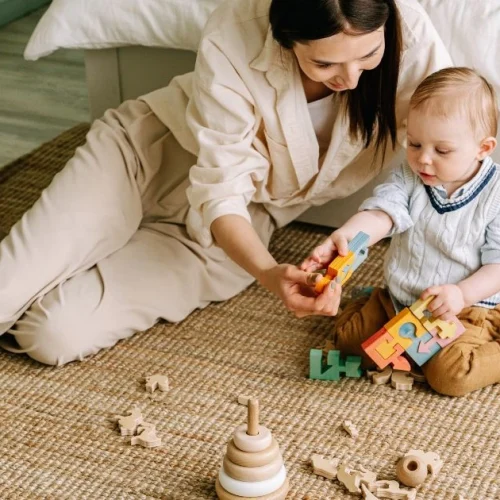
Building and construction toys are excellent tools for developing problem-solving, fine motor skills, spatial reasoning, and creativity. Open-ended building encourages children to experiment, make mistakes, and learn through trial and error.
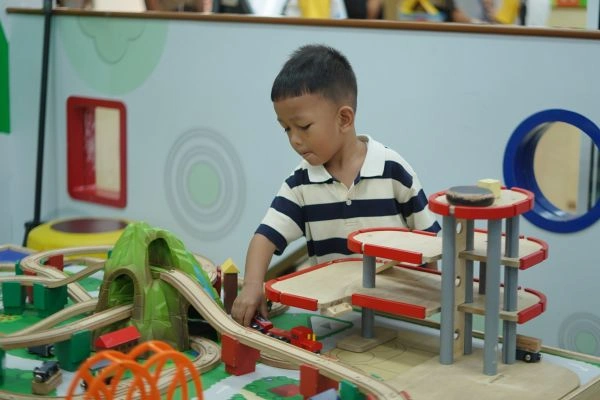
1. Train Toys And Race Car Track Sets
Train and race car tracks engage children through movement, coordination, and imaginative play. Tracks that form patterns on the floor help children develop spatial reasoning and planning skills while encouraging active play that flows naturally from one idea to the next. Many sets feature themed tracks such as city streets, racecourses, and adventure landscapes, making playtime immersive and versatile. Brands like Melissa & Doug and Hape offer durable options with bright colors that stimulate engagement.
2. Lego Duplo Sets
Lego Duplo bricks are designed for small hands and big ideas. The oversized bricks are safe for preschoolers and help children build creativity, fine motor skills, and problem-solving abilities. Duplo sets often feature familiar themes such as animals, houses, and vehicles, which allow children to create elaborate stories as they build and rebuild their creations. These sets are also great for cooperative play, helping siblings or friends work together.
3. Magnetic Tiles
Magnetic tiles are versatile building tools that support open-ended play. Children can explore geometric shapes, build structures, and experiment with balance and symmetry. These tiles playfully introduce early STEM concepts. Vibrant colors and durable magnets make these tiles appealing for repeated use, and sets can expand over time as challenges grow. Brands like Magna-Tiles and PicassoTiles are widely praised for quality and versatility.
4. Classic Tinkertoy Construction Sets
Tinkertoy remains a timeless construction toy that blends simplicity with creativity. Wooden rods and connectors allow children to build towers, vehicles, and imaginative structures. Tinkertoy sets promote spatial reasoning, engineering thinking, and imaginative storytelling. Handling these pieces also improves hand-eye coordination and dexterity, making them ideal for preschoolers exploring both creativity and motor skills.
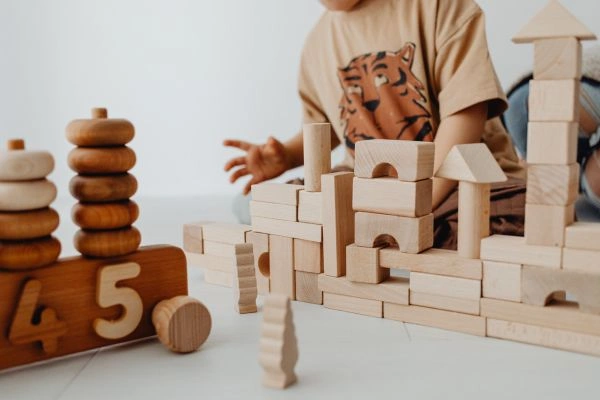
5. Wooden Block Sets
Simple wooden blocks are a classic way to encourage open-ended construction play. Children can experiment with stacking, balancing, and building imaginative structures. Wooden blocks enhance problem-solving, spatial awareness, and planning skills while offering tactile engagement. Many sets come with themed pieces such as arches, windows, and bridges to inspire more creative designs.
Creative And Pretend Play
Pretend play is essential for developing social, emotional, and cognitive skills. It allows children to explore the world around them, understand different roles, and express creativity.
6. Educational Adventurer Train Toys
Pretend play trains let children act out journeys and scenarios. Moving the train along tracks encourages cause-and-effect thinking while building narrative skills. Children also learn collaboration, especially when playing with siblings or friends. Many sets come with accessories such as stations, tunnels, and animals to expand storytelling opportunities.
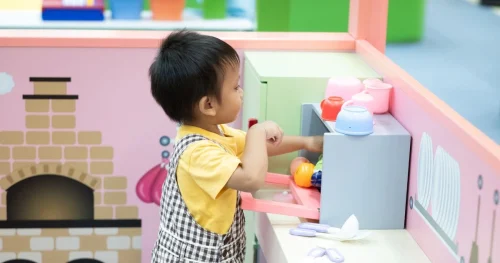
7. Play Kitchens And Food Sets
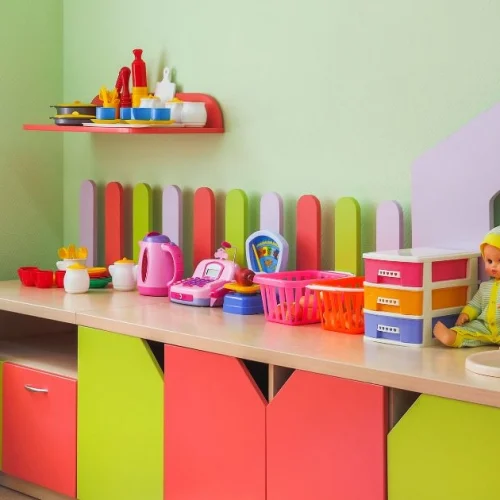
Mini kitchen sets allow children to mimic real-world cooking and household routines. Pretend food sets help children understand everyday objects and sequences, while also encouraging social interaction and sharing. Play kitchens develop fine motor skills, sequencing, and imaginative thinking. Brands like Little Tikes and Step2 are known for realistic and durable play kitchen options.
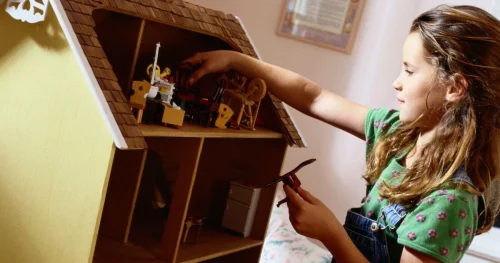
8. Dollhouses And Play Figures
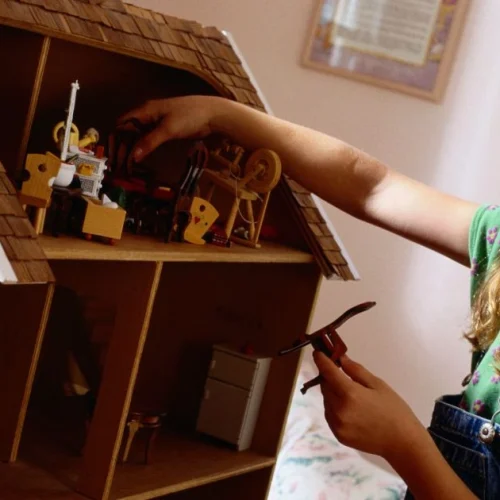
Dollhouses encourage rich storytelling. Children assign personalities to figures, create scenarios, and explore social roles. These toys help develop communication skills, empathy, and symbolic thinking. Modular dollhouses or themed sets, such as castles or modern homes, allow children to build increasingly complex storylines.
9. Puppet Theaters With Puppets
Puppet theaters give children a platform to practice expressive language and creativity. Acting out stories promotes confidence and communication skills. Puppet play also fosters imagination and emotional understanding, as children experiment with different character voices and narratives.
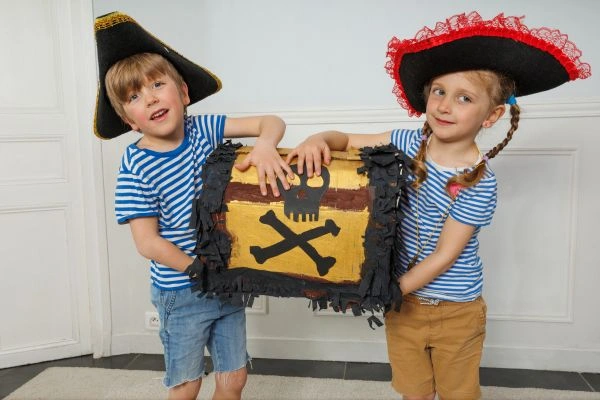
10. Dress-Up Costumes And Props
Dress-up encourages identity exploration and imaginative role play. Costumes can include superheroes, animals, or professional roles such as doctors and firefighters. Pretend play through dress-up develops empathy, self-expression, and social understanding as children enact different scenarios and take on multiple perspectives.
11. Play Tool Benches And Craft Stations
Pretend workbenches and craft stations encourage creativity and motor practice. Children build confidence while mimicking real-world tasks. Safe toy tools allow children to explore construction and problem-solving in a playful environment. These toys also encourage cooperative play when children work together on projects.
Educational Games And Puzzles
Educational games and puzzles enhance cognitive development while keeping children engaged. They support memory, logic, reasoning, and observation skills.
12. Memory And Matching Games
Memory games help refine visual recognition, attention span, and concentration. Playing with family or peers promotes turn-taking and social interaction. These games can be themed to match interests such as animals, vehicles, or favorite characters to increase engagement.
13. Search-and-Find Activity Kits
Search-and-Find kits encourage observation, problem-solving, and vocabulary growth. Children complete challenges by locating items in busy, colorful scenes. Completing these tasks builds confidence, critical thinking, and persistence.
14. Balance And Stacking Games
Balance and stacking toys teach basic physics concepts and spatial reasoning. Children develop fine motor control as they experiment with gravity, weight distribution, and structural design. Many stacking games incorporate animal or shape themes to make learning playful.
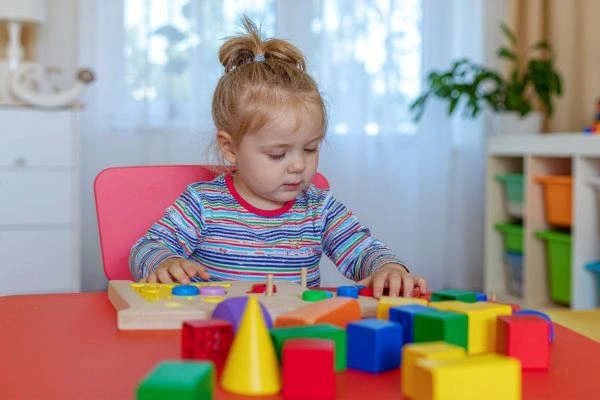
15. Simple Puzzles And Shape Sorters
Puzzles and shape sorters build problem-solving, focus, and logical thinking. Age-appropriate puzzles encourage children to keep trying until they succeed, fostering persistence and satisfaction. Fun themes like vehicles, animals, or fairy tales increase motivation to complete challenges.
16. LeapFrog Learning Books
Interactive learning books, such as those from LeapFrog, combine sounds, words, and storytelling. These books promote literacy, language acquisition, and early bilingual skills in a playful format. They also support independent learning as children explore stories at their own pace.
Arts And Creative Expression
Creative play encourages self-expression and supports emotional and cognitive growth.
17. Crayola Art Kits And Modeling Sets
Art supplies such as markers, crayons, stampers, finger paints, and modeling clay allow children to explore creativity and color. Art supports fine motor skill development, self-expression, and emotional regulation. Kits with guided projects or open-ended options provide varied challenges and creative freedom.
18. Sticker And Craft Sets
Sticker and craft kits help children complete small projects that build hand-eye coordination, creativity, and a sense of accomplishment. Low-mess designs allow children to focus on creation while minimizing cleanup, making them ideal for preschool environments.
19. Storytelling Projectors And Light-Up Imagery
Story projectors bring narratives to life on walls or ceilings. Children watch stories unfold visually while listening to audio narration. These toys stimulate imagination, improve listening skills, and make storytime immersive and interactive.
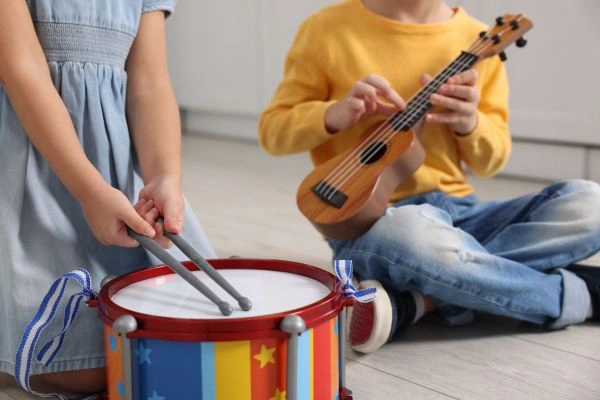
20. Musical Instruments For Kids
Child-friendly instruments such as tambourines, xylophones, small keyboards, and ukuleles introduce rhythm and music. Playing instruments enhances coordination, auditory skills, and confidence while providing a creative outlet for energy and emotion.
Movement And Active Indoor Play
Even indoors, young children need movement to develop strength, coordination, and balance.
21. Foam Balance Beams And Obstacle Paths
Soft foam balance beams and obstacle courses encourage gross motor skill development and coordination. Children practice balance, jumping, crawling, and navigating space safely indoors. These activities help develop body awareness and movement confidence.
22. Mini Trampolines
Indoor trampolines provide a safe way to burn energy and improve leg strength. They encourage balance, stamina, and coordination while allowing children to expend excess energy in a fun, structured way.
23. Movement And Dance Games
Dance and movement games combine physical activity with imaginative play. Portable systems for home use invite children to jump, dance, and explore rhythm without screens. These toys are excellent for keeping children active during indoor play sessions.
24. Indoor Ball Games
Soft foam balls and lightweight throwable toys promote hand-eye coordination, motor planning, and cooperative play. These balls allow children to practice catching, throwing, and rolling safely indoors.
Sensory And Exploratory Toys
Sensory toys provide tactile and interactive experiences that support both cognitive and emotional development.
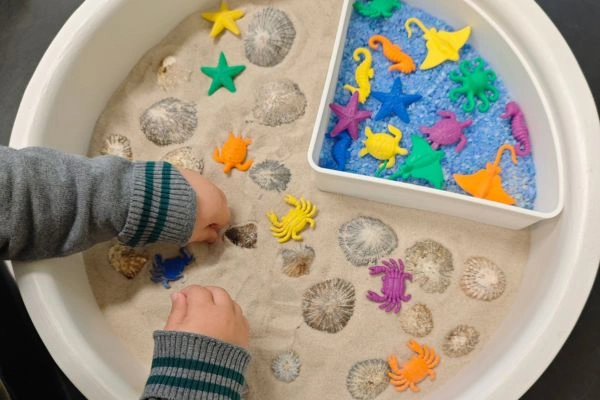
25. Sensory Play Sets And Water Play Mats
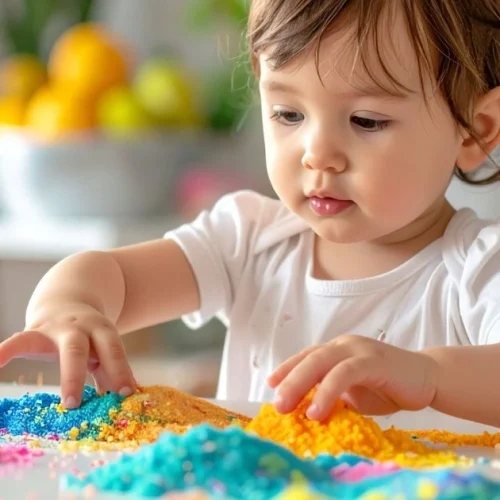
Sensory kits with rice, foam, sand, or water mats provide engaging tactile experiences for children. These toys help develop fine motor skills, focus, and emotional regulation. Water play mats allow children to explore fluid movement and imaginative scenarios indoors, especially during rainy days or quiet play sessions.
Benefits Of Indoor Toy Play For Ages 3–6
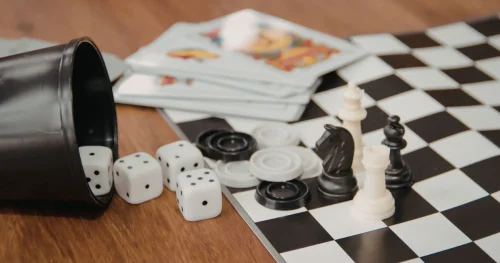
Indoor play supports children in many ways. Play at ages 3 to 6 contributes to brain and body development, social skills, and emotional growth. Physical play builds coordination and strength, while creative activities stimulate imagination and storytelling. Puzzles and board games strengthen logic and memory. Open-ended building toys encourage engineering thinking and problem-solving. Pretend play nurtures empathy, social communication, and understanding of the world.
Experts recommend limiting screen-based toys for preschoolers. AI-enabled interactive toys can collect data and may reduce essential human interaction, which is critical for development at this age. Traditional toys that foster imagination, social connection, and active play remain the most effective tools for emotional, cognitive, and social support.
Choosing The Best Indoor Toys For Kids
When selecting toys for children aged 3 to 6, consider:
- Safety: Check age guidelines and avoid small parts that could pose a choking hazard.
- Durability: Choose toys that withstand repeated play.
- Developmental Value: Select toys that promote creativity, motor skills, cognitive growth, or social skills.
- Interest and Engagement: Align toys with a child’s interests to encourage long-term play.
- Variety: Provide options for active play, creative expression, quiet activities, and social play to support well-rounded development.
Rotating toys periodically keeps children interested and helps them explore new skills. Open-ended toys are especially valuable because they adapt as children grow.
Creating Engaging Indoor Environments For Young Kids
Indoor play provides rich opportunities for children aged 3 to 6 to learn, explore, and express themselves. The 25 toys listed above reflect the latest trends, trusted recommendations, and timeless classics that continue to inspire imagination, physical movement, cognitive development, and creative expression. Thoughtful toy selection brings playtime to life while supporting social, emotional, and intellectual growth in young children.
By offering toys that encourage creativity, problem-solving, social interaction, and active play, caregivers create a dynamic indoor environment that fosters curiosity, learning, and joy every day. Screen-free, developmentally appropriate indoor toys remain the most reliable way to inspire meaningful play while supporting holistic growth during the crucial preschool years.