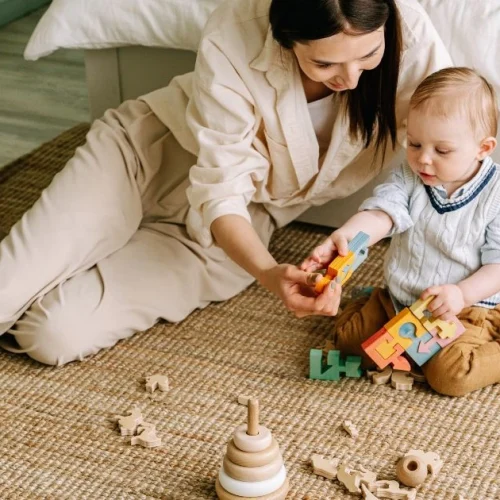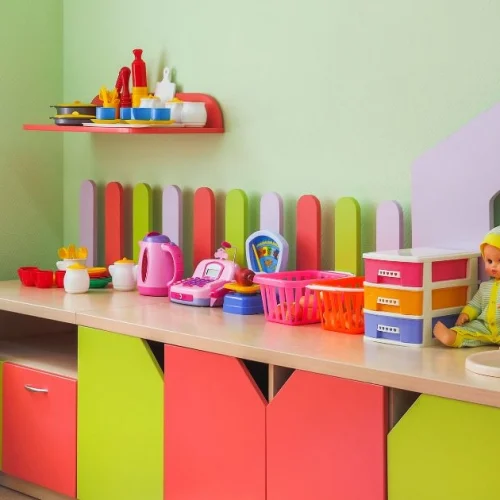
Toy kitchens and cooking sets remain a favorite among children worldwide, blending imaginative play with skill-building and real-life role-playing in engaging ways. From stirring pretend soups and flipping imaginary pancakes to hosting meals for stuffed animals, these playsets encourage creativity, language development, and social interaction. In 2026, the market continues to expand with a variety of options, ranging from timeless wooden kitchens to modern interactive sets equipped with realistic appliances and features. This guide provides families with insights into the latest trends, top-rated products, developmental benefits, safety tips, and advice for selecting the ideal kitchen set for every child.
The Timeless Appeal Of Toy Kitchens
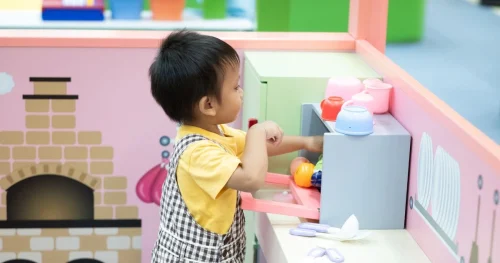
Toy kitchens draw children into worlds where they can mimic the everyday routines they see adults perform. This pretend play is deeply rooted in developmental behavior, helping children practice planning and sequencing as they pretend to prepare meals or serve guests. Simple actions such as turning knobs, opening doors, and handling toy food pieces enhance fine motor coordination. When children play together around a kitchen set, they naturally build language and social skills by taking on roles like chef, server, or restaurant owner.
For parents and educators, these kitchen playsets are more than just toys. They are interactive environments that encourage group play, problem-solving, and even early math concepts when kids count ingredients or portion pretend dishes. Toy kitchens can be part of early learning curriculum in preschools and home learning environments, helping children grow through hands-on play.
The Latest Safety News And What It Means For Families
In 2025, a major toy kitchen recall grabbed headlines when nearly 200,000 play kitchen sets were pulled from the market due to a tragic accident involving a toddler and an accessory hook that posed a strangulation risk. The recall affected certain popular models sold between 2018 and 2025, prompting manufacturers to offer replacement parts to eliminate the danger. Families were advised to stop using the affected products and ensure any replacements were installed. This incident underscores the importance of choosing age-appropriate playsets that meet current safety standards and having adult supervision during playtime.
Checking for toy safety certification, such as ASTM F963 in the United States or EN71 in Europe, and reading up-to-date reviews before purchasing, can help reduce risks and ensure peace of mind for caregivers.
Types Of Toy Kitchens For Every Play Style
Toy kitchens vary widely in design, size, materials, and features. Here are the main categories to consider:
Classic Wooden Play Kitchens
Wooden play kitchens have a timeless charm that continues to appeal to both children and parents. Designed to resemble miniature versions of real kitchens, they fit seamlessly into playrooms, bedrooms, or even living areas without feeling out of place. Their durability makes them a long-term investment, often lasting for years of imaginative play. Many wooden sets feature intricate details such as working doors, knobs, cupboards, and storage shelves, helping children feel like they are cooking in a real kitchen. These sets also encourage social play, as multiple children can interact and collaborate in the same space, fostering teamwork, communication, and creative storytelling.
Interactive and Feature-Rich Play Kitchens
For children who enjoy a more immersive experience, interactive kitchens provide engaging elements that mimic real-life cooking. Some sets include lights that turn on when “cooking,” sounds like sizzling or boiling, and turning knobs that click or make mechanical noises. Pretend water dispensers and removable sink basins add extra realism, giving kids the sensation of performing actual kitchen tasks. These feature-rich kitchens not only keep children entertained longer but also support role-playing, problem-solving, and fine motor skills development, making play both fun and educational.
Compact and Tabletop Options
Families with limited space or those looking for portable options will find compact and tabletop kitchens ideal. These smaller sets provide all the fun of a full kitchen but occupy far less room, making them suitable for apartments, shared playrooms, or travel. Despite their size, many include essential kitchen elements like stovetops, mini ovens, sinks, and shelves, ensuring that children can still engage in rich imaginative play. Lightweight and easy to move, these sets can be stored when not in use or transported to different rooms, giving children flexible play opportunities wherever they are.
Accessory and Cooking Sets
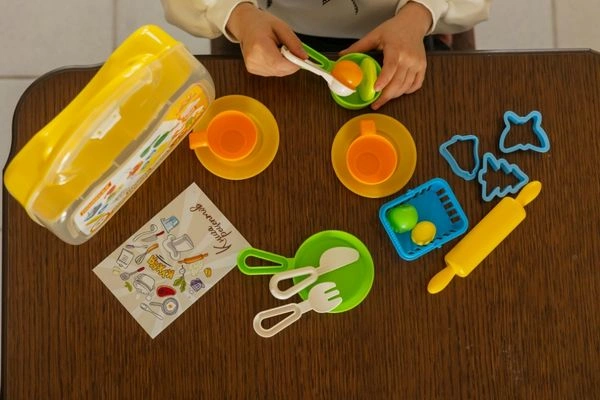
Not every child needs a full kitchen to enjoy pretend cooking. Accessory sets, including play pots, pans, utensils, and pretend food, can significantly enhance any kitchen setup. Materials like stainless steel, wood, or durable plastic are popular for their longevity and realistic feel. Accessories allow children to extend play scenarios beyond everyday cooking; they can run a restaurant, host a tea party, or prepare elaborate feasts for imaginary guests. Mix-and-match options also increase creativity, letting kids combine multiple sets for a richer and more varied play experience.
What to Look For When Choosing a Toy Kitchen
Selecting the right toy kitchen ensures that children enjoy safe, engaging, and developmentally enriching play.
Age Appropriateness
Always consider the manufacturer’s age recommendations. Simple kitchens with fewer small parts are best for younger toddlers, while older preschoolers may benefit from more detailed sets with interactive features and multiple accessories. Age-appropriate toys help prevent frustration and keep play safe.

Material and Durability
Wooden kitchens often outlast plastic counterparts, standing up to years of energetic play. They provide a sturdy structure that can handle multiple children at once. Plastic sets, while lighter and easier to clean, may not withstand rougher handling but can be excellent for travel or compact spaces. Many families find that a combination of a wooden base with plastic accessories offers the best balance of durability, versatility, and play variety.
Safety and Certification
Safety should always be a priority. Look for toys that comply with local safety standards, avoid sets with sharp edges or small detachable parts for children under three, and read parent reviews for real-world insights. Certifications and testing labels can provide extra reassurance that the kitchen is built to strict safety guidelines.
Expandability
Consider whether the kitchen can grow with the child. Sets that allow additional accessories, modular add-ons, or expandable features increase the playset’s lifespan and keep children engaged longer. By adding new items like food packs, appliances, or themed furniture, kids can develop more elaborate scenarios—running cafes, bakeries, or even full-scale pretend restaurants. This flexibility enhances creativity, storytelling, and independent play.
Space And Storage
Think about where the toy will live. Full-sized kitchens are delightful but can dominate a room. Smaller kitchens or tabletop versions might be a practical choice for homes with limited space.
Developmental Benefits Beyond Imagination
Pretend kitchen play nurtures a range of skills. Role-playing fosters language growth and emotional intelligence as children act out scenarios and interact with others. It supports fine motor development when kids grasp utensils, twist knobs, or fit pretend food into shapes. These toys also help young learners with sequencing and problem-solving as they plan “meals” or figure out how to share tasks with playmates.
Research into classic toy categories like pretend kitchens consistently highlights the value of open-ended play in supporting cognitive growth and social skills. Educational professionals appreciate kitchen sets as tools for creative expression while subtly incorporating learning concepts that build a foundation for later academic skills.
Popular Trends And What Families Are Sharing
The toy kitchen category continues to thrive globally. Review guides list a variety of options, including themed kitchens with lights and sounds, silicone cookware sets designed for easy cleaning, and stylish wood kitchens that feel like pieces of furniture. Local top picks often reflect community preferences for good play value at accessible prices.
Globally, large kitchen playsets from brands like Step2, Little Tikes, and KidKraft remain common recommendations. Sets with working doors, pretend stovetops, and interactive pretend features are frequently highlighted for keeping children engaged. Parents often report that kitchen playsets remain favorites for years and evolve with children’s interests, sometimes being used by older siblings long after initial purchase.
Toy Kitchen Accessories That Add Even More Fun
Accessories help kitchen sets feel alive. Some recommended accessory ideas include:
- Play Food Sets with fruits, vegetables, pizzas, burgers, and pretend desserts to expand imaginative scenarios.
- Cookware And Utensils crafted from child-friendly materials like BPA-free silicone or wooden utensils to build fine motor skills.
- Interactive Food Toys where color changes or detachable pieces simulate cooking processes.
- Themed Add-Ons, such as bakery sets, barbecue grills, or grocery shopping playsets that turn a kitchen into an entire pretend restaurant or shop scenario.
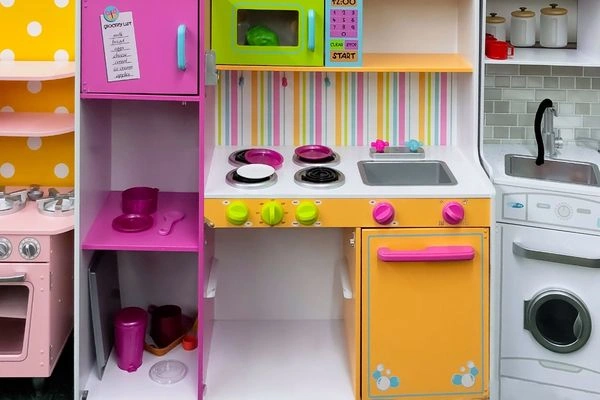
These add-ons are often available separately and allow parents to tailor play experiences based on a child’s interests and developmental stage.
Budget-Friendly Options Without Sacrificing Fun
Toy kitchens range from affordable starter sets to premium models with many accessories. Affordable models are perfect first kitchens for toddlers, while mid-range options offer better durability and more realistic details. Premium wooden kitchens are long-lasting fixtures in a child’s play space.
Pairing accessory sets with smaller kitchen units creates a rich play environment without a high upfront cost. This modular approach lets toys grow with the child and keeps play fresh as interests evolve.
Integrating Real Cooking Experiences With Play
While toy kitchens are imaginary spaces, real-world cooking involvement can complement play. Kid-focused cooking kits with safe, age-appropriate tools invite children into real meal preparation. These experiential kits reinforce confidence in the actual kitchen and connect the skills learned through pretend play with tangible results.
Parents who involve children in measuring ingredients, stirring batters, or setting the table often find that imaginative play around kitchen themes becomes richer and more nuanced.
Endless Fun and Learning with Toy Kitchens
Toy kitchens and cooking sets remain among the most engaging and developmentally valuable playthings for young children. With options ranging from classic wooden playhouses to modern interactive sets, families can find the perfect fit for their space, budget, and play style.
Always prioritize safety, age appropriateness, and quality when selecting a kitchen set. Look for products that inspire extended play, encourage social interaction, and offer opportunities for learning in playful, meaningful ways. Whether a child dreams of being a chef, restaurant owner, or part of a lively family dinner scene, toy kitchens provide endless avenues for creativity and growth.