Choosing toys for children can be both joyful and overwhelming. Toy aisles and online stores are filled with bright colors, popular characters, and promises of fun. Yet, caregivers often find themselves asking a deeper question when shopping for kids: Is it better to buy many toys or fewer high-quality ones? The answer is not simply about spending more or less. It is about understanding how the right toys can support a child’s development, promote meaningful play, encourage learning, and provide long-lasting engagement.
This article explores the ongoing debate over quality versus quantity in toy buying through the lens of smarter toy choices for kids, drawing on expert opinions, recent research, and real-world examples of toys that offer both developmental value and joy. This topic is more relevant than ever as parents, educators, and child development specialists increasingly advocate for thoughtful toy selection that fosters deep, sustained play rather than short-lived entertainment. As the toy market continues to evolve, smarter toy choices for kids remain central to conversations about healthy development, sustainability, and lifelong learning.
Why Quality Matters More Than Quantity
A wealth of research and expert guidance highlights many reasons to focus on quality when purchasing toys for children. Well-made toys tend to offer better safety, greater developmental benefits, and longer engagement compared to a large number of cheaper, low-quality items.
Safety Should Be the Foundation
Safety is the first and most critical factor when selecting toys for young children. Low-quality toys often use plastics and paints that may not meet high safety standards, and they can break easily, exposing sharp edges or small parts that pose choking hazards. High-quality toys typically meet strict safety standards and use non-toxic materials to protect children during play. Premium toys undergo more rigorous testing and often include safety certifications, offering caregivers peace of mind as children explore and play.
Better Learning Experiences
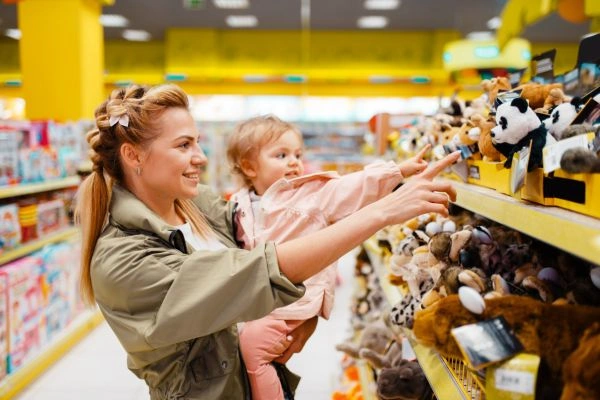
Quality toys are designed with intention and typically involve open-ended play value. These toys invite children to think creatively, solve problems, and explore narratives instead of simply pushing a button to watch pre-programmed actions. Open-ended toys, such as building blocks, puzzles, and pretend play sets, encourage children to use their imagination and grow their thinking skills over time. Experts recommend selecting toys that foster curiosity, exploration, and experimentation rather than those that do all the work for the child.
Durability and Longevity
One of the long-term benefits of choosing quality toys is durability. High-end toys are designed to withstand repeated use and rough handling, making them less likely to break or lose their appeal quickly. This durability translates into better long-term value because toys last through multiple stages of play and can often be passed down to younger siblings or even future generations. Toys made from sustainable materials, such as wood, cotton, and high-grade plastics, resist wear and tear and hold up better over time.
Reducing Waste and Encouraging Sustainable Choices
When caregivers focus on quality, they often make more sustainable choices. Many high-quality toys are produced with eco-friendly practices, use recyclable materials, and are built to last for years instead of weeks. By reducing the number of disposable toys in a household, families contribute to less waste and create a more intentional play environment that also teaches children the importance of caring for their belongings and the planet.
Quantity Can Be Counterproductive
More toys do not automatically mean more play or better play experiences. In fact, having an abundance of toys can inadvertently reduce the quality of play.
Overstimulation and Reduced Focus
Children can become overwhelmed when surrounded by too many choices. Studies and parent surveys show that when children have an excessive number of toys, they may switch quickly between them without engaging deeply with any single plaything. This scattered play pattern can reduce attention spans and limit the development of focus and patience.
Shallow Play Experiences
Too many toys can lead to superficial rather than meaningful play experiences. With constant distraction from new toys, children might not engage in imaginative play, challenge themselves with complex tasks, or explore toys in ways that build cognitive and emotional skills. Open-ended toys that can be used in many ways tend to encourage deeper exploration and creative problem-solving.
Impact on Emotional And Social Skills
Ample toy options can also impact social interactions and emotional development. Children may have less incentive to negotiate, share, or collaborate when individual play options abound. A smaller selection of thoughtfully chosen toys can encourage teamwork, communication, negotiation, and empathy as children learn to share resources and invent collaborative scenes with limited tools.
How Quality Toys Support Development
Quality toys do more than entertain. They support broad areas of development that contribute to a child’s growth.
Cognitive Development
Toys that involve building, sequencing, or solving problems help strengthen critical thinking and logic skills. Examples include building sets, puzzles, and board games designed for preschoolers. These toys encourage children to try different strategies, recognize patterns, and practice patience.
Language And Communication Skills
Pretend play sets, storytelling toys, and interactive books provide opportunities for children to use language creatively. Toys that invite children to narrate stories, describe scenes, or role-play characters help build vocabulary and expressive language skills, which in turn translate into stronger communication abilities.
Social And Emotional Growth
Quality toys can facilitate cooperative play and emotional understanding. Board games that require turn-taking, pretend play sets that invite dramatic scenarios, and collaborative building projects help children negotiate roles, express feelings, and understand others’ perspectives.
Physical Development
Many quality toys promote physical development. From building sets that require fine motor skills to active play toys like balance boards and puzzles that involve manipulating pieces, well-designed toys contribute to hand-eye coordination and body awareness.
Creativity And Imagination
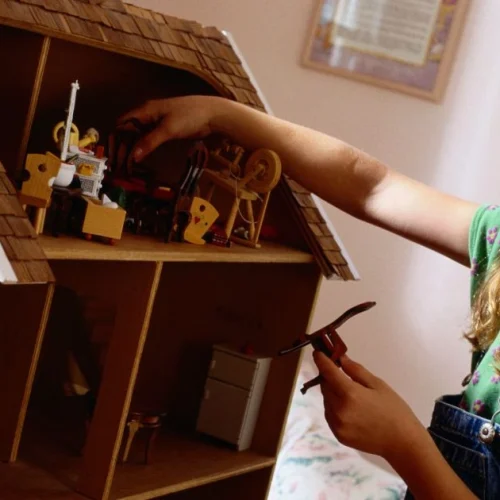
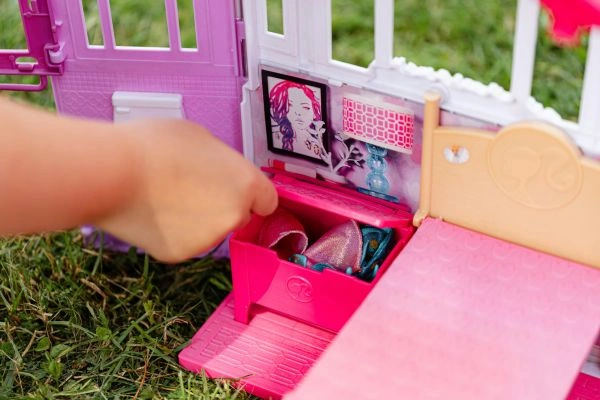
Perhaps one of the greatest benefits of quality toys is their ability to invite imagination. Open-ended toys do not dictate how they should be used. Instead, they become tools for the child’s creativity. Building blocks can become castles or spaceships. A dollhouse can house a family of animals or superheroes. These transformations rely on the child’s imagination and creative thinking.
How To Choose Quality Toys
Choosing better toys rather than more toys requires intentional decision-making. Experts recommend several criteria for assessing a toy’s true value.
Look For Open-Ended Play Value
Open-ended toys can be used in many ways, encouraging children to invent their own play patterns rather than follow prescribed steps. Toys like blocks, art supplies, dolls without scripted stories, and construction sets stimulate creativity over time.
Assess Educational Potential
Not all educational toys are created equal. A good educational toy should challenge a child’s curiosity, promote problem-solving, and encourage hands-on experimentation. Examples include puzzles, simple science kits, and games that involve matching, sequencing, or memory.
Check Safety Standards
Quality toys should meet regional safety standards. Look for compliance with recognized certifications such as ASTM or CE. Check that toys do not contain harmful chemicals and that they have no small parts that could pose a choking hazard to young children.
Age Appropriateness
Even high-quality toys will fail to engage a child if they are not suited to their developmental level. Choose toys that match a child’s current skills and offer challenges that encourage growth without causing frustration.
Durability And Materials
Durable materials such as solid wood, metal components, thick cardboard puzzles, and sturdy fabrics indicate long-lasting quality. These materials are also safer and more environmentally friendly than cheap plastics, which can break easily or contain toxic chemicals.
Examples Of High-Quality Toys Worth Considering
A growing number of toys combine durability, development benefits, and lasting engagement. These options help illustrate what quality looks like in practice.
1. Building sets like LEGO and Magna-Tiles
Building systems that offer open-ended possibilities are perennial favorites. Lego sets, for example, have shown strong growth in recent toy market reports, reflecting both popularity and creative value. Magna-Tiles and similar magnetic building sets promote problem-solving and imagination while withstanding long-term use.
2. Toniebox Audio Story Players
Audio story players that deliver screen-free content remain popular for creative play and early literacy. Toniebox and related audio storytelling systems encourage listening skills, language development, and imaginative storytelling.
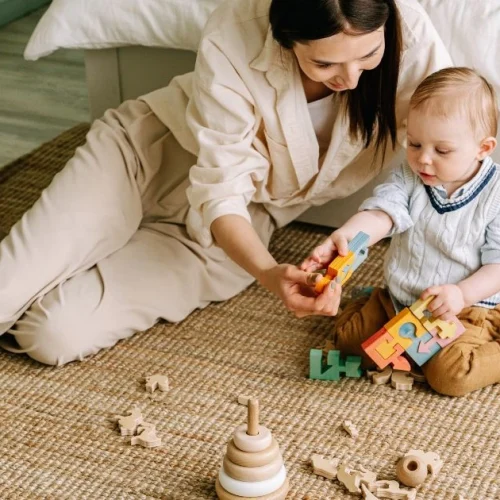
3. Wooden Blocks And Play Sets
Classic wooden blocks, train sets, and similar toys encourage imaginative scenes and foundational construction skills. These toys have been used for generations because they never go out of style.
4. Montessori-Inspired Toys
Toys inspired by Montessori principles focus on hands-on learning, fine motor control, and self-directed play. These toys often use natural materials and simple, tactile elements that promote sustained engagement.
5. Art Supplies And Craft Sets
Quality art materials, such as washable paints, brush sets, and modeling clay, foster creativity without a prescribed outcome. Children can explore details of color, texture, and design through their own ideas.
Balancing Quality With Quantity
While the focus should be on quality, quantity need not be entirely dismissed. Thoughtful curation of a toy collection can provide a balanced environment. For example, pairing a few high-quality building sets with art materials and a couple of smaller supplementary toys can ensure variety without overwhelming choice.
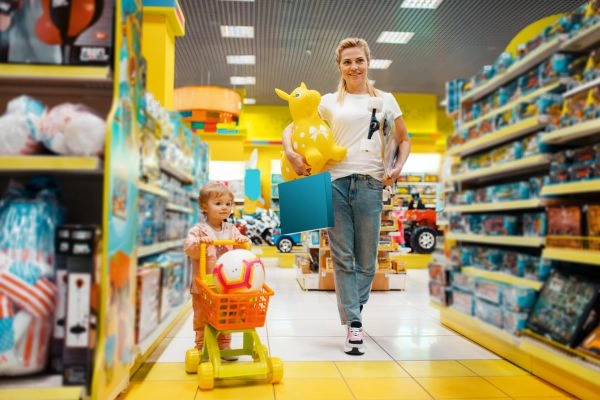
When deciding what to bring home, caregivers can ask a few simple questions:
- Will this toy hold the child’s interest beyond the first few days?
- Does it invite imagination and creativity?
- Does it support social, cognitive, or physical development?
- Is it made from safe, durable materials?
If the answer is yes, it is likely a quality choice.
The Role Of Adults In Play
Even the best toys will benefit from adult involvement. Caregivers who participate in play, ask questions, and encourage exploration help children get more from their toys. Interaction fosters communication, deepens engagement, and supports learning in ways that toys alone cannot accomplish.
Smarter Toy Choices That Encourage Deeper Play
The choice between quality and quantity in toy buying is more than a matter of budget or shelf space. It reflects how we value childhood, play, and development. Quality toys offer durability, safety, developmental benefits, and lasting engagement that children can return to again and again. Quantity alone can lead to overstimulation, shallow play, and clutter that distracts from deep exploration.
Thoughtful toy purchasing means choosing playthings that ignite curiosity and support growth. By selecting fewer but better toys, caregivers help children build skills, enjoy meaningful play experiences, and create memories that extend far beyond momentary entertainment. Quality matters not because toys need to be expensive, but because they should support a child’s whole development in joyful and intentional ways.