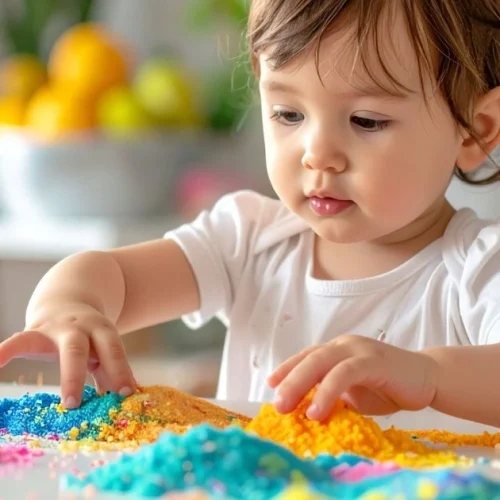
Supporting young children’s language and communication skills is one of the most meaningful goals of playtime. Children learn to express themselves, interact with others, and build confidence through engaging, hands‑on experiences. Sensory toys play a special role in this process because they combine physical exploration with language opportunities. When children feel comfortable, stimulated, and curious, they are more likely to talk, describe sensations, ask questions, and listen actively.
The right sensory toys help build vocabulary, turn‑taking, expressive skills, listening skills, and play routines that naturally lead to language use. These toys appeal to multiple senses, engage attention, and motivate children to communicate through interaction, imitation, and storytelling. In 2026, parents and educators are increasingly choosing sensory toys that not only entertain but also actively encourage communication and developmental growth.
Below is a comprehensive guide to the best sensory toys that support language and communication skills, including global brands and recommended products that combine proven developmental benefits with positive reviews and usability.
How Sensory Toys Aid Language Development
Sensory toys support language and communication skills in several key ways:
Engaging Multiple Senses
Sensory toys provide tactile, visual, auditory, and proprioceptive feedback, keeping children engaged. When a toy makes sounds or offers textures that invite a description, children are more likely to use words and phrases to express what they feel and hear.
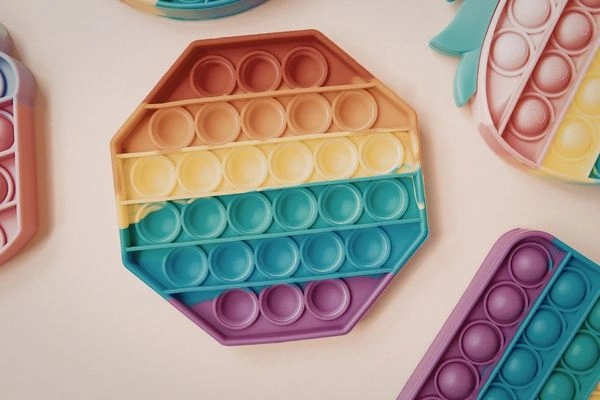
Encouraging Turn‑Taking And Interaction
Many sensory activities require taking turns, following simple instructions, and waiting for results. These routines promote conversational skills and social language use, which are foundational to communication.
Supporting Exploratory Play
Play that encourages exploration naturally leads to questions like “What is that?”, “Can we try again?”, and “Look at this!” These queries expand vocabulary and promote expressive language.
Facilitating Guided Play With Adults Or Peers
Caregivers, therapists, and educators can use sensory toys to prompt language. Questions like “What color do you see?” or “How does it feel?” support children in developing descriptive language and conversational skills.
Top Sensory Toys That Support Language And Communication
1. Learning Resources Conversation Cubes
These interactive cubes are a fun way to prompt natural conversation. Each face contains prompts or pictures that invite discussion, such as naming items, completing a story, or asking questions. Children roll the cubes and must use language to respond, helping build vocabulary, sentence structure, and confidence. The tactile nature of the cubes enhances engagement and allows hands‑on play that supports focus and expressive skills.
2. Kids 224 Words Talking Flash Cards Set
Talking flashcards combine visual cues with audio feedback and are excellent tools for combining sensory learning with speech practice. Each card prompts children with a word and corresponding sound, exposing them to pronunciation and vocabulary in a multisensory way. This type of learning supports receptive language (understanding) and expressive language (speaking) skills. These flashcards are especially helpful for early learners and children practicing new words.
3. Alilo Interactive Educational Pen
Educational interactive pens like this one open up a world of touch‑activated learning for kids. These tools often pair with books or activity cards to help children read words aloud, introduce new vocabulary, and explain concepts when they tap pages. Auditory feedback motivates children to ask questions and repeat sounds, thereby building pronunciation and listening skills. Products like this are often used in early learning environments and have strong global reviews for enhancing language development.
4. Official Bluey Seek & Find Sensory Bin
Sensory bins combine tactile exploration with language opportunities in a playful setting. The Bluey Seek & Find Bin contains themed elements that support word exploration, category naming, and descriptive language. Children can scoop, sort, and talk about what they find, which makes language use part of an immersive sensory experience. Sensory bins are excellent for small-group play, prompting questions such as “What did you find?” or “Describe the color.”
5. Wishy Washy: A Board Book Of First Words And Colors
Books that combine language learning with sensory appeal are powerful tools for early vocabulary development. A board book like this one pairs simple words with bright visuals that children can point to and name. Caregivers can enhance learning by asking open‑ended questions such as “What color is this?” or “Can you find the dog?” Interactive books turn reading into a conversation, boosting narrative skills and expressive language.
6. Sensory Bin Spring Object Function
Ready‑to‑use sensory bins with objects that spring, roll, or move help children describe cause and effect. As kids explore these objects, they naturally talk about what happens next: “It popped up” or “Roll it again.” This encourages sequencing language, action words, and expressive narration during play.
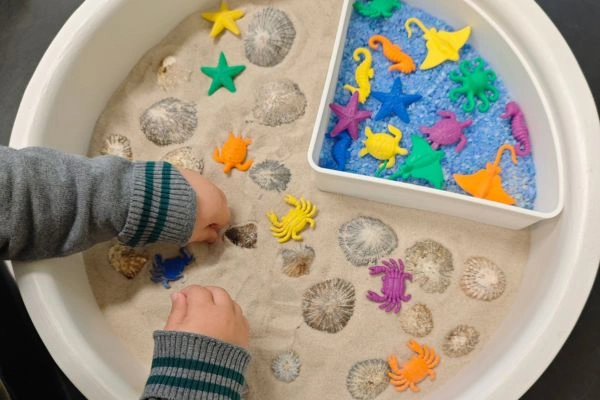
Additional Sensory Toy Ideas That Enhance Communication
The products above highlight some of the current best sensory toys for language development. Still, many other options add variety, support communication goals, and make engagement fun and meaningful.
Talking And Interactive Toys
Look for toys that respond to a child’s voice or touch with sound and language prompts. Toys that repeat what a child says in a playful or supportive way encourage experimentation with speech and promote listening skills. A product like Giggles the Giraffe repeats sounds in funny voices to help build confidence when talking. Teachers often recommend it for early communication because it motivates conversation and social interaction.
Puppet And Role Play Sets
Puppets act as “conversation partners,” especially for shy speakers. Children often feel more comfortable talking through a puppet, practicing dialogue, greetings, and emotion words. Role-play can easily be tied to sensory experiences by using textured clothing or sound effects.
Storytelling Projectors And Audio Story Devices
Tools that narrate stories or combine visual projections with audio cues support early literacy and listening comprehension. A new example is the Luna StoryTime Projector, which plays classic tales with soothing visuals that stimulate language comprehension and imagination without screen exposure.
Musical Instruments
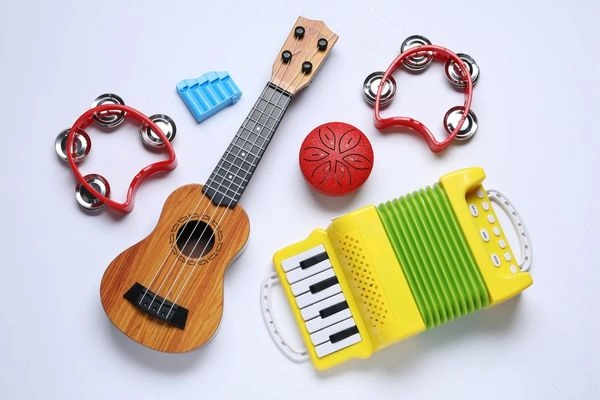
Simple percussion toys, xylophones, or rhythm sets engage auditory senses and encourage children to follow patterns, respond to sounds, and use language to describe what they hear and create. Music encourages turn-taking and social interaction, which are key communication skills.
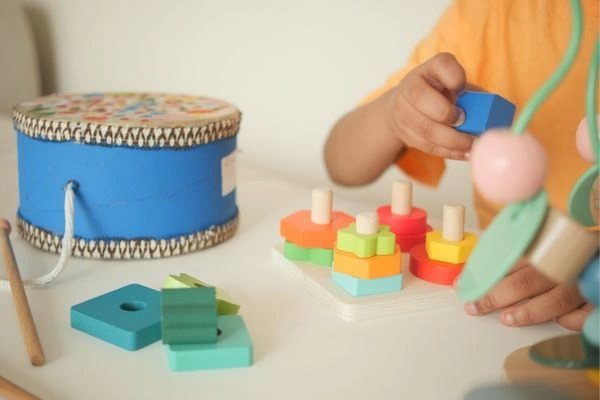
Construction And Sorting Toys
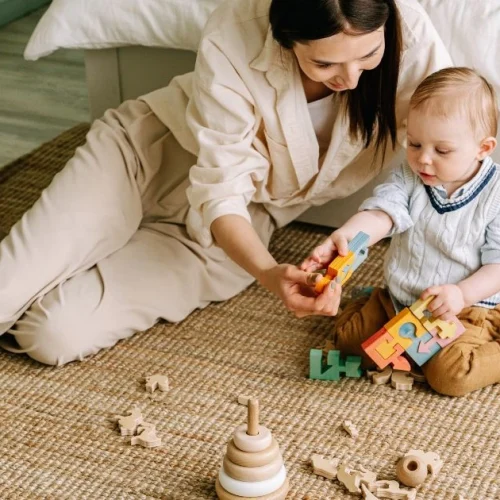
Toys like blocks, building kits, and sorting trays support exploratory talk. Children label shapes and colors, describe how pieces fit together, and explain their design choices. These interactions naturally prompt vocabulary growth and the use of narrative language.
How To Use Sensory Toys To Boost Language And Communication
Providing the right sensory toy is only the first step. How adults and peers interact during play strongly influences language outcomes.
Encourage Open‑Ended Questions
Instead of asking yes/no questions, use prompts that encourage children to describe, compare, or predict. For example, ask “What do you think will happen if we do this?” or “Tell me how it feels.”
Model Language
When children are playing, model complete sentences and new vocabulary related to their actions. If a child squeezes a soft block, say, “You are squeezing the soft block. It feels squishy.” This scaffolding helps expand language naturally.
Take Turns And Build Routines
Turn-taking in play invites children to wait, listen, and respond. Routine play with question-and-response patterns builds conversational flow and confidence.
Combine Sensory Play With Everyday Experiences
Link toy play with real‑world conversations. If a child is exploring a sensory bin, ask them to talk about colors found in the bin and how they relate to objects in their daily environment.
Read And Explore Together
Books and sensory experiences go hand in hand. Reading about what a child is playing with and then acting out scenarios with sensory toys strengthens comprehension and expressive skills.
Benefits Of Sensory Play For Communication
Engaging in sensory play benefits language skills in multiple ways:
Vocabulary Expansion
Children learn words related to textures, actions, emotions, and sensory experiences.
Narrative Skills
As children describe what they are doing, they practice building sequences and storytelling.
Confidence In Expression
Interactive and responsive toys provide safe contexts for children to try new words and sounds without pressure.
Social Language Development
Group sensory play encourages turn-taking, greetings, requests, and collaborative problem-solving.
Listening And Processing Skills
Toys that respond with sounds or audio cues help children refine listening comprehension and memory for verbal information.
Choosing The Right Sensory Toys For Communication
When selecting sensory toys that promote language and communication, consider these features:
Multisensory Engagement
Toys that combine tactile, auditory, and visual feedback tend to hold attention longer and prompt more descriptive language.
Age Appropriateness
Select toys that match the child’s developmental stage and interests to ensure they are challenging without being frustrating.
Safe Materials
Sensory play often involves close physical interaction. Make sure toys are safe, non‑toxic, and free of small parts that could pose a hazard for young children.
Interactive Features
Toys that respond to touch, sound, or movement provide more opportunities for back‑and‑forth engagement.
Sensory Toys That Make Learning To Communicate Fun
Sensory toys are powerful tools for enhancing language and communication skills. When thoughtfully chosen and paired with interactive play, these toys help children build vocabulary, expressive language, listening skills, and social communication. From tactile play bins and talking flashcards to interactive pens and storytelling projectors, the right sensory toys make learning to communicate fun and natural.
With a mix of sensory exploration, guided questions, and engaging play experiences, caregivers can support children’s language journeys in meaningful ways. These toys invite children to talk, describe, ask, and respond, laying the foundation for confident communication that lasts a lifetime.